In observance of February 11th, the International Day of Women and Girls in Science, adopted by the UN in 2015, we want to share and join in the goal of achieving gender equality and empowerment for girls and women in Mexico and around the world.
There is still a gender gap today in the fields of science, technology, engineering, and mathematics. According to UNESCO data, fewer than 30% of scientific researchers in the world are women.
It is our duty and daily task to fight against the stereotypes and prejudices that have long kept women away from fields related to science.
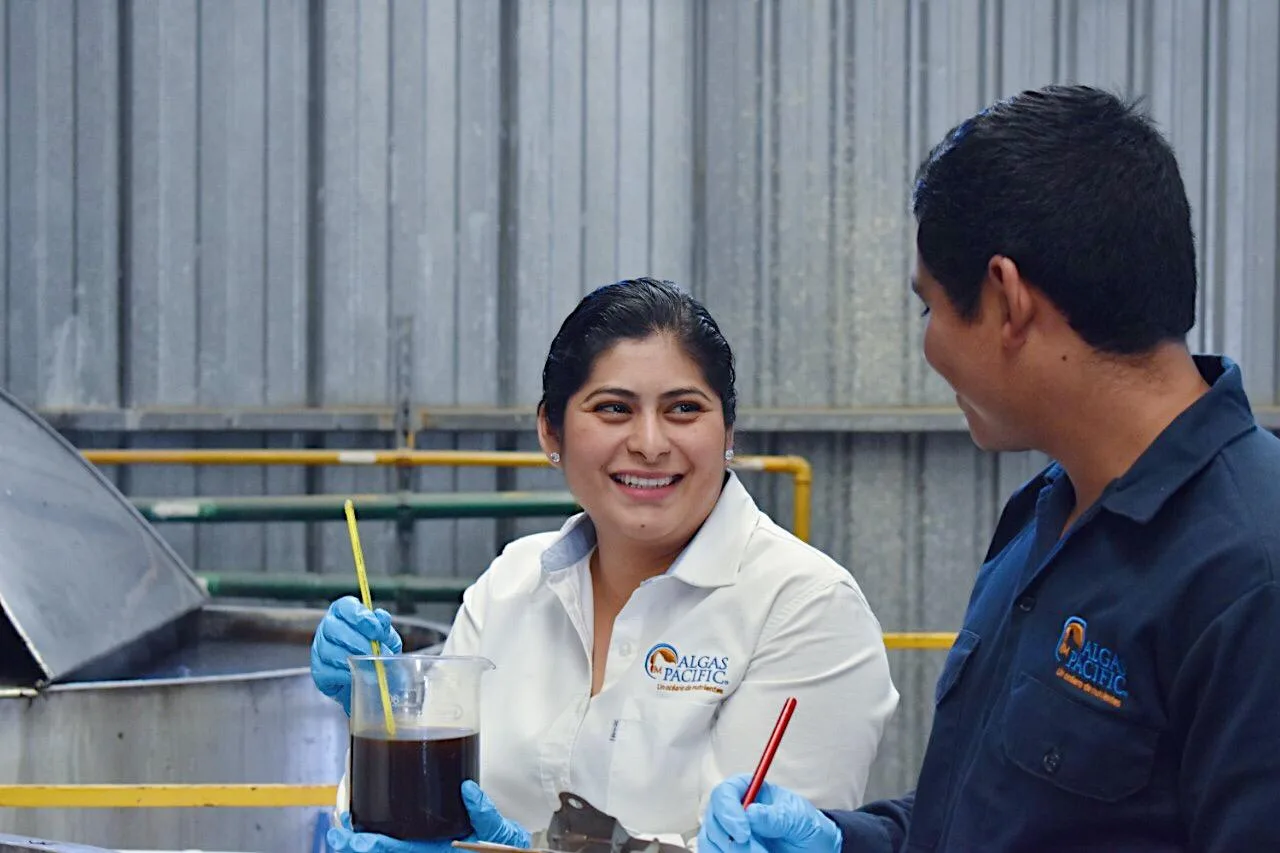
As a company producing marine algae extracts for agricultural use, we are proud to share that our highly professional and skilled team includes a Master of Science serving as Quality Control Manager and three agronomic engineers serving as product application advisors in fields across Mexico.
It is our commitment to empower and invest in the growth of girls and women in this field, recognizing and valuing their abilities.
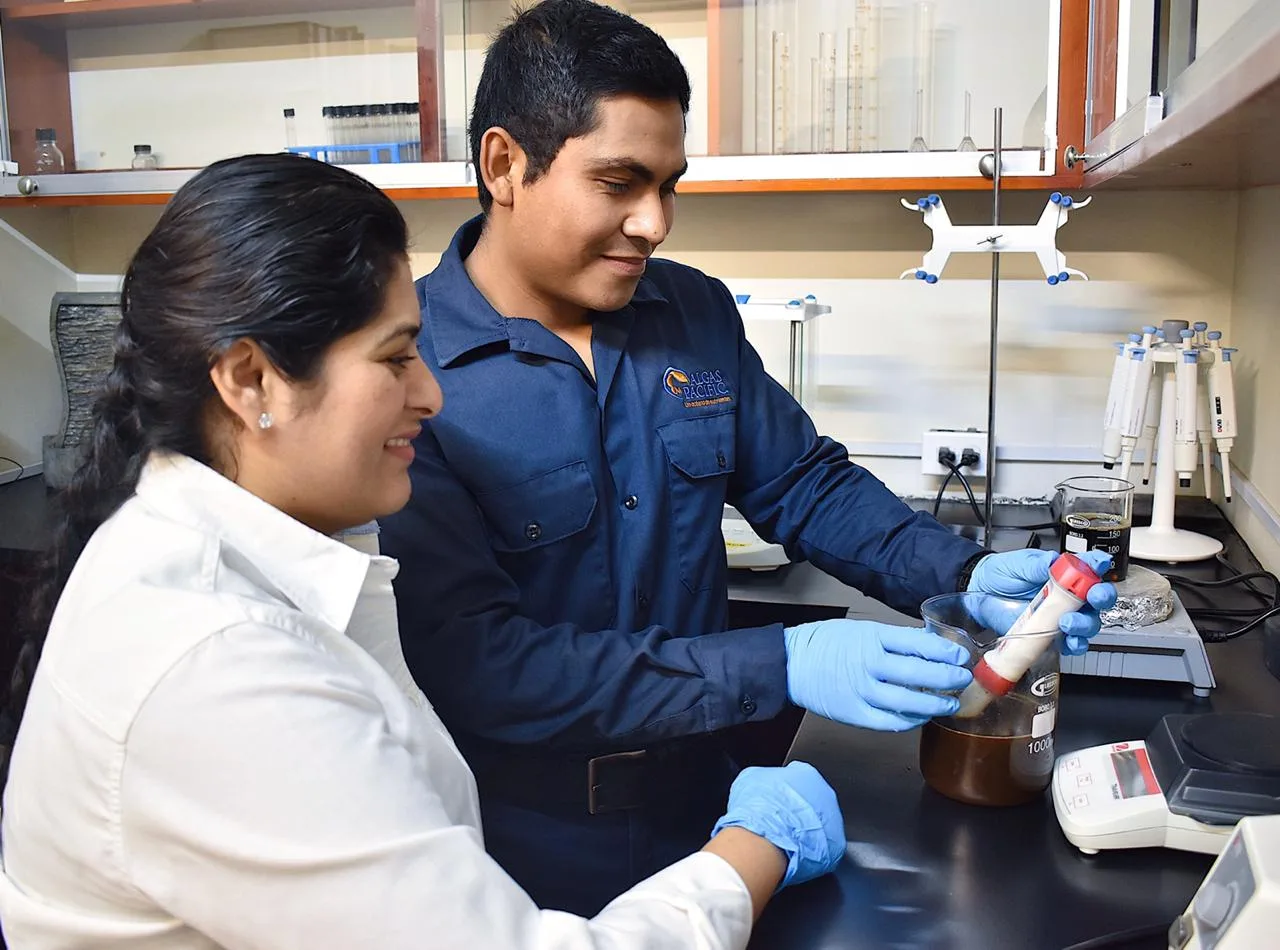
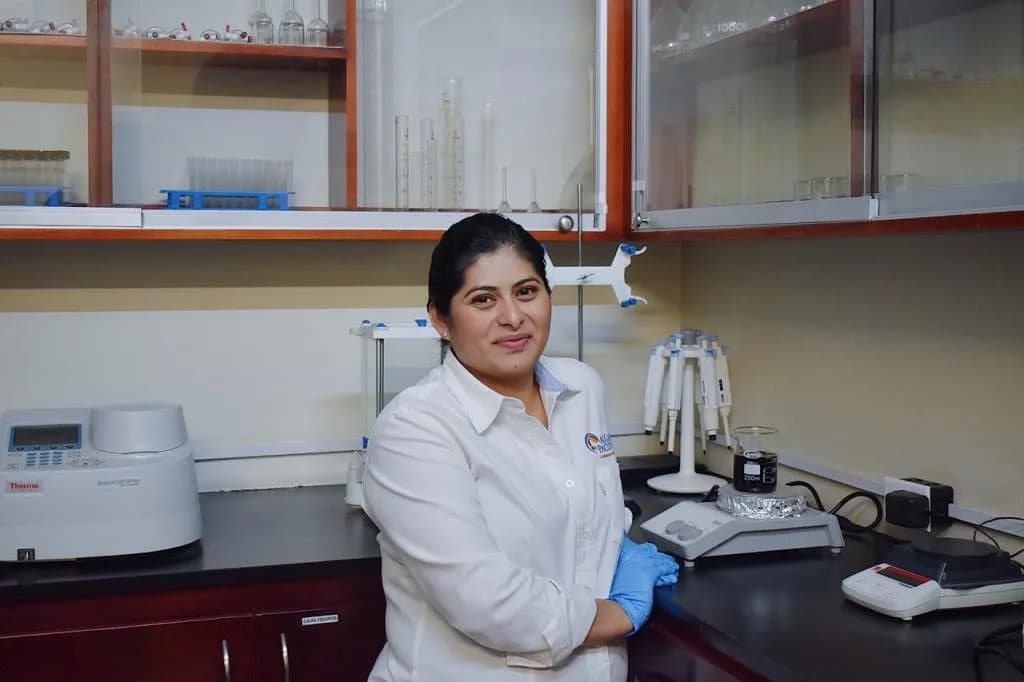
Below, we share an interview with our colleague, M.Sc. Yulizet Sánchez, who has been part of Algas Pacific since its earliest days. Yulizet takes part in formulation, the continuous improvement of our processes, and the creation of new products; we hope that, just as she inspires us, she will inspire others to join and contribute to this movement of equality and empowerment:
1. What is your main role as Quality Control Manager at Algas Pacific?
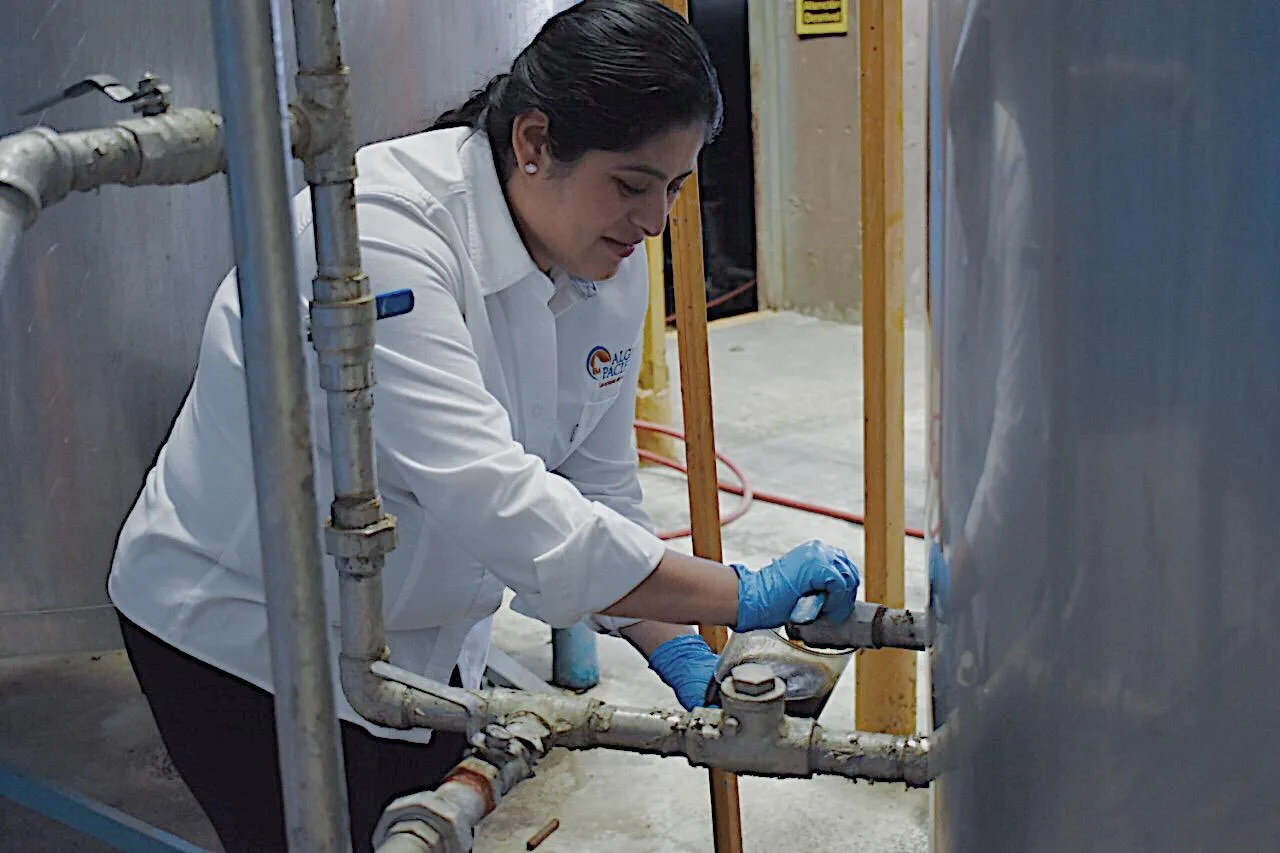
I am responsible for controlling the quality of the products, meaning from the moment the fresh algae arrive at the company until a 20 L container is bottled and labeled. Within that major responsibility, my job is to maintain internal control of product manufacturing using physicochemical parameters, so that quality standards are met and we can guarantee the reliability of our products.
2. What are your academic degrees, the institutions, and the years you earned them?
I am an oceanologist, graduating in 2010 from the Faculty of Marine Sciences at the Universidad Autónoma de Baja California (UABC). I also hold a Master of Science in Marine Biotechnology, earned in 2016 from the Centro de Investigación Científica y de Educación Superior de Ensenada (CICESE).
3. When did you first connect with the world of science, and what was your decision-making process for choosing this career path?
I think science is something you carry in your heart. Ever since I was a child, I always had different interests from my classmates; however, access to scientific information wasn't as easy back then. So it was somewhat difficult to keep that interest alive, until I was finally able to decide what to study at university.
Studying oceanology came as a surprise to my family; it meant moving far from home to study in another city, in a scientific field that wasn't well known and that no one expected me to choose. My choice was something new for the family, so it wasn't an easy decision to face. However, thanks to the support of the people who believed in me, I was able to enter the world of science, and here I stayed!
4. What is your main motivation and your aspirations as a Mexican scientist?
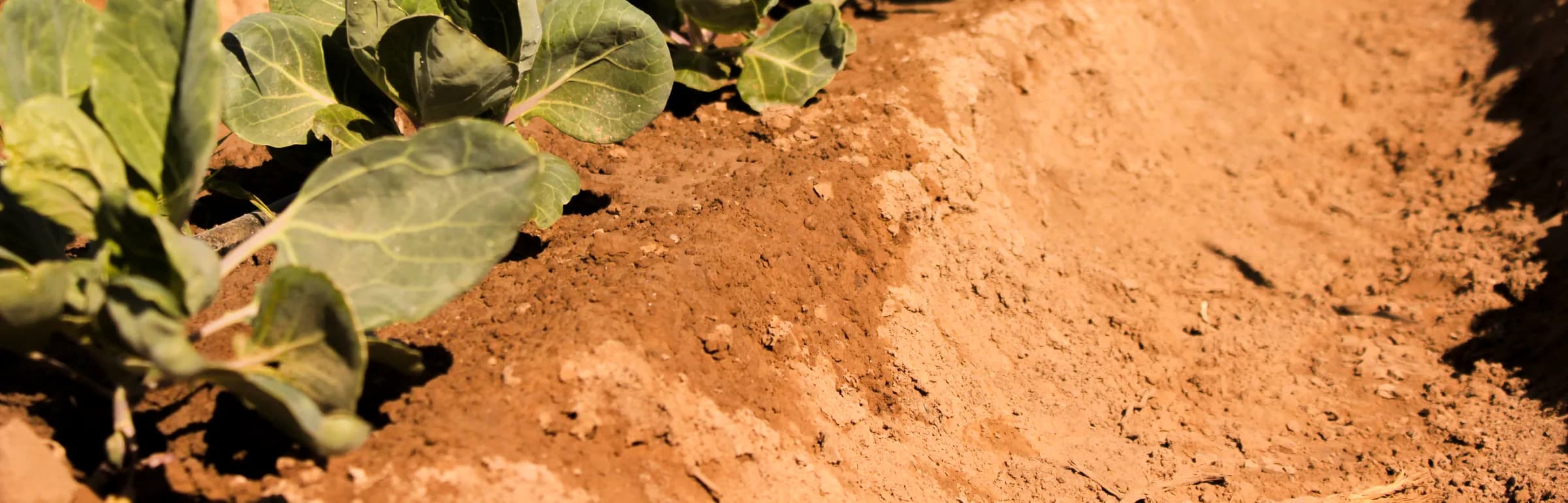
My motivation is to challenge my knowledge every day to learn something new. That has helped me grow and trust in what I do. As a Mexican scientist, I want to continue in applied research and innovation of new organic alternatives that help improve Mexican soils to produce healthy fruit. This way, I know I am contributing my grain of sand to benefit the quality of life of our society.
5. What message would you like to share with girls and women who aspire to become scientists and department leaders in companies or institutions?
When you think and feel that your world is somehow more complicated than how other children see theirs, don't be afraid to face your feelings; that's because you have other concerns that need to be addressed or that can help improve the environment around you. Don't limit yourself when it comes to reaching your goals, even when you think it makes no sense to go against the current. Trust in your abilities and show what you can do!
Currently in our position it is still very difficult to aspire to a high position and, above all, to keep it, but it is not impossible. That's why it's important to stay consistent with your goals, to keep proving that women in science can also achieve great things.