Learn more about this crop and our team's involvement in the demonstration plot at Expoceres 2022.
From March 24 to 26 we will be at Expoceres 2022, in Los Mochis, Sinaloa, where we are taking part with a demonstration plot of Fig, with the goal of observing the performance of fig propagated through vegetative cuttings, using a management program with biostimulants derived from marine algae and highly assimilable nutrients.
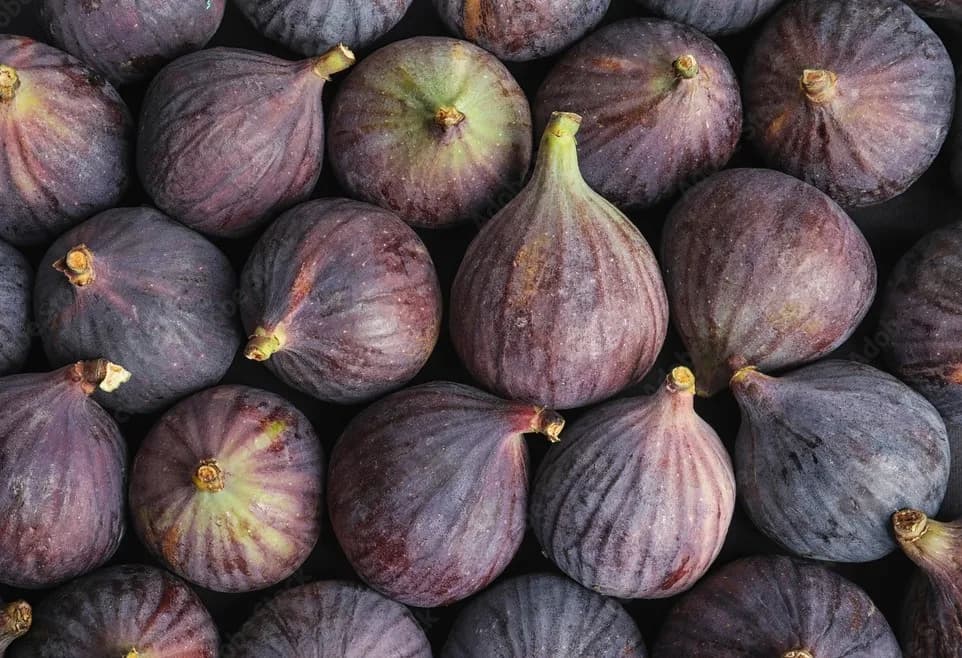
Both figs and fig trees are quite peculiar. This fruit, whose origins trace back to the Mediterranean basin more than 10,000 years ago... is not actually a fruit. How is it possible that figs, being so sweet, are not a fruit? After all, they were a staple of the diet of the Greeks and Phoenicians.
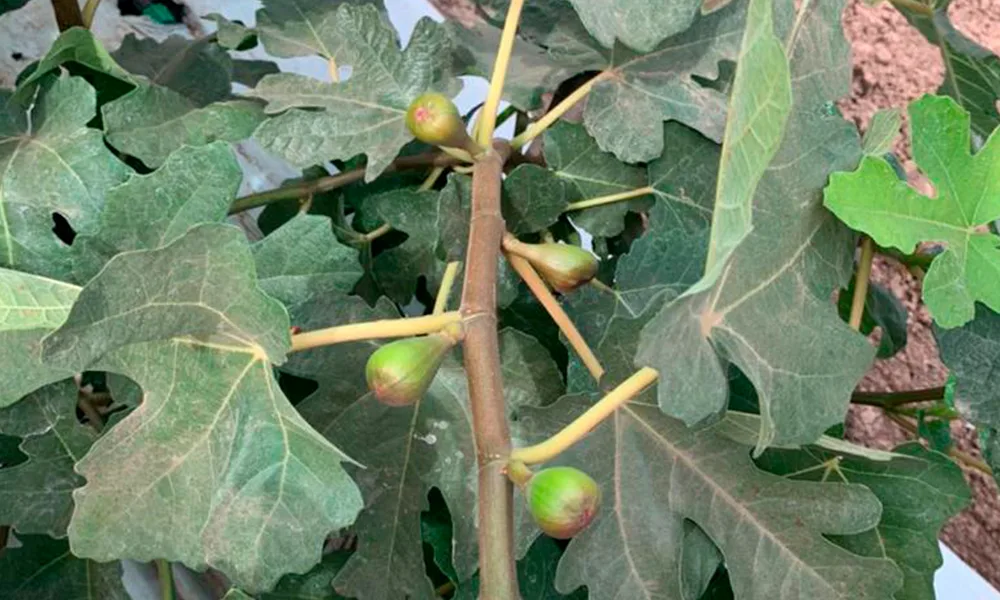
Figs are structures known as syconia, and inside them they house small flowers, both male and female, which can only be pollinated by a certain type of wasp that develops within. In this way, without wasps there are no figs, and without figs there are no wasps, a very particular relationship that has been extensively studied by scientists.
As for the fig tree, this tree can reach 10 meters in height or grow as a shrub or even a creeping plant, depending on environmental conditions; it can adapt to conditions that may be adverse for other fruit trees, including periods of drought.
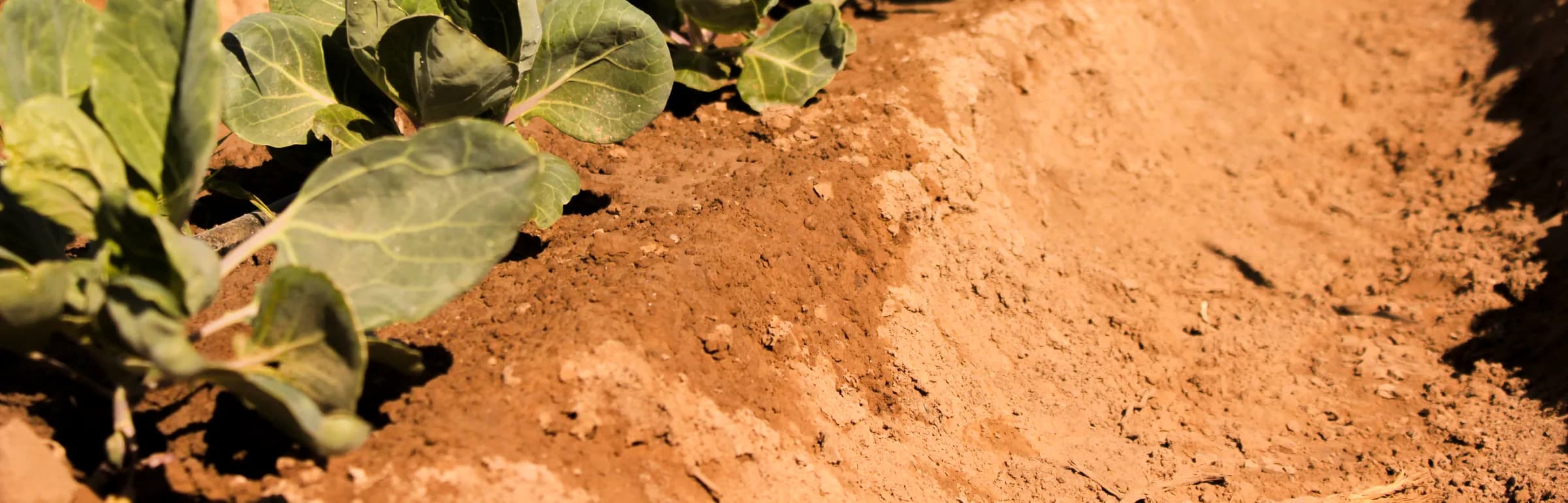
The roots of fig trees can explore a variety of depths and substrates, even in calcareous soils (pH 8-8.5) that are poor in nutrients, saline, or even rocky, since the tree lacks a true main root; its roots are actually shallow, with 80% of them extending to depths between 20 and 45 cm.
Fig trees can develop properly across a wide temperature range, from 15°C to 28°C. Thanks to these characteristics, fig trees have adapted to grow in many places around the world.
In Mexico this is a growing crop. To date, around 1,200 hectares have been established, with Morelos being the state with the largest cultivated area (497 ha). It is followed by the states of Baja California Sur, Veracruz, Puebla, and Michoacán. Of these states, Veracruz has the highest yield (12.14 tons/area).
Factors that have limited the expansion of fig cultivation include pests (mainly insects) and diseases, fruit decomposition caused by rain, frost damage, and lack of orchard management. Sadly, this has led to the abandonment of some orchards. One of the most common diseases is root rot, caused by a fungal complex favored by waterlogged soil. This disease can lead to the death of the tree.
Irrigation management is extremely important, since excess water can cause problems. Excessively moist soils can also bring about sooty mold, another fungal disease that appears as black dust on the leaves.
Although fig trees are formidable and hardy, more knowledge about them is needed in order to expand their cultivation nationwide. Proper management depends on the conditions of the site and the crop (climate, soil, and the nutritional status of the trees).
The fact that fig trees can survive in less than favorable conditions does not mean they have no nutritional needs. Excess nitrogen fertilization leads to excessive vegetative growth and delayed maturity, which can affect fig quality.
However, deficiencies of this macronutrient can also occur. A nitrogen deficiency slows growth and hinders the absorption of micronutrients (such as copper, which is the microelement in highest demand). As the season progresses, fig trees retain more nutrients and generate more dry matter, needed to produce the prized figs.
It is known, for example, that fig trees respond well to organic matter inputs. However, there are still open questions regarding fig tree nutrition; what is certain is that nutrients must be absorbed efficiently in the right amounts.
Our Work
Below we list the actions carried out in the demonstration plot. For detailed results, find us in the plots section at lots B10 and B9. Visit us also at booth 415 in Pavilion Section A.
1.- First pruning, 06/24/2021
We began with the application of NPKelp, Kelproot and CopperKelp during the plant's adaptation and recovery period following pruning, with the aim of shaping a plant with the desired structure.
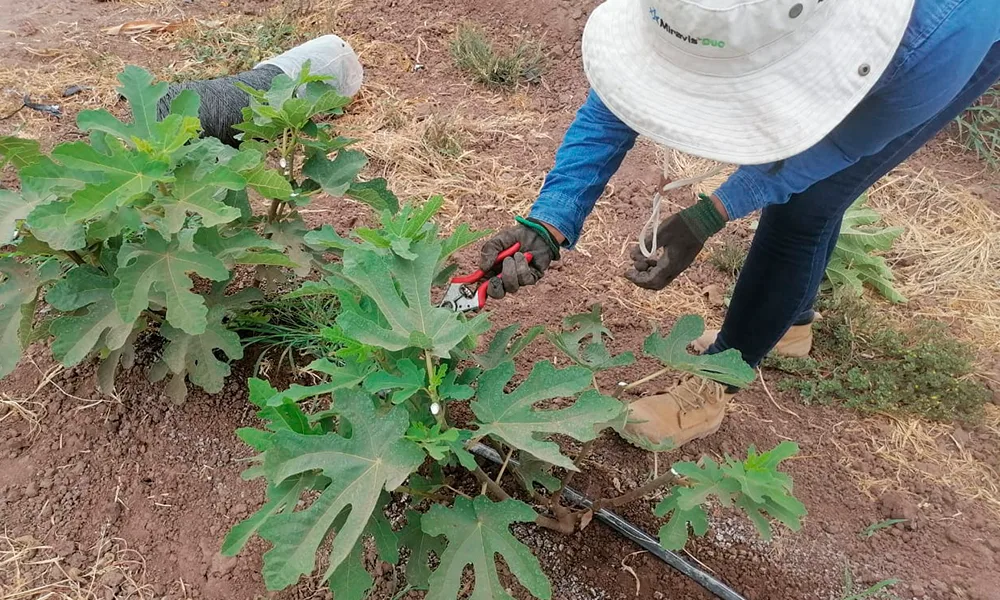
2.- Cultural practices, 07/16/2021
Following up on sanitary cultural practices, we began foliar protection applications of NPKelp + Copperkelp against rust.
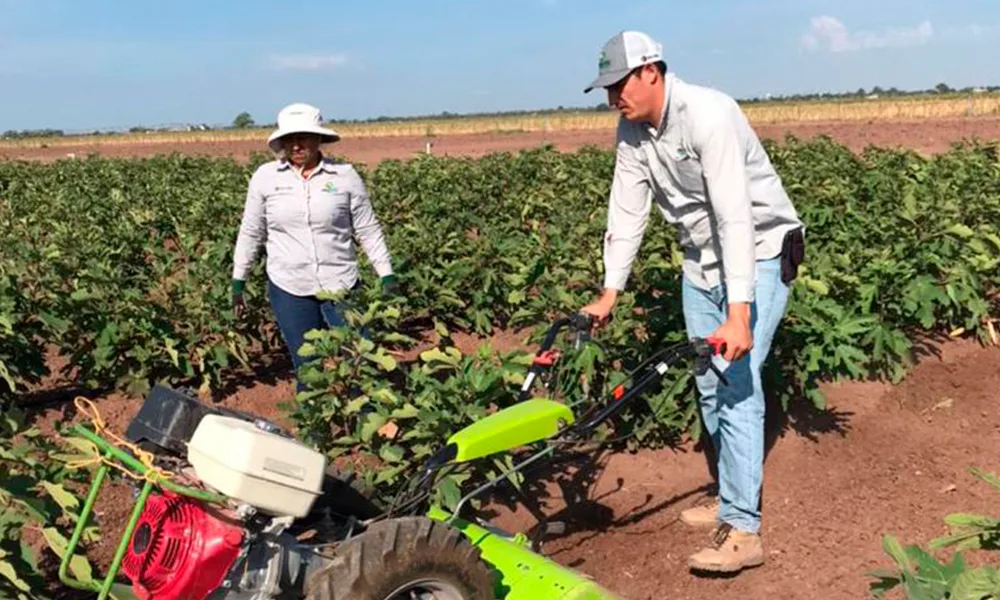
3.- Growth reactivation pruning, 09/03/2021
Irrigation applications of NPKelp + Kelproot + Copperkelp for continuous nutrient absorption, supporting soil conditioning and root development. Preventive foliar applications of Copperkelp against rust.
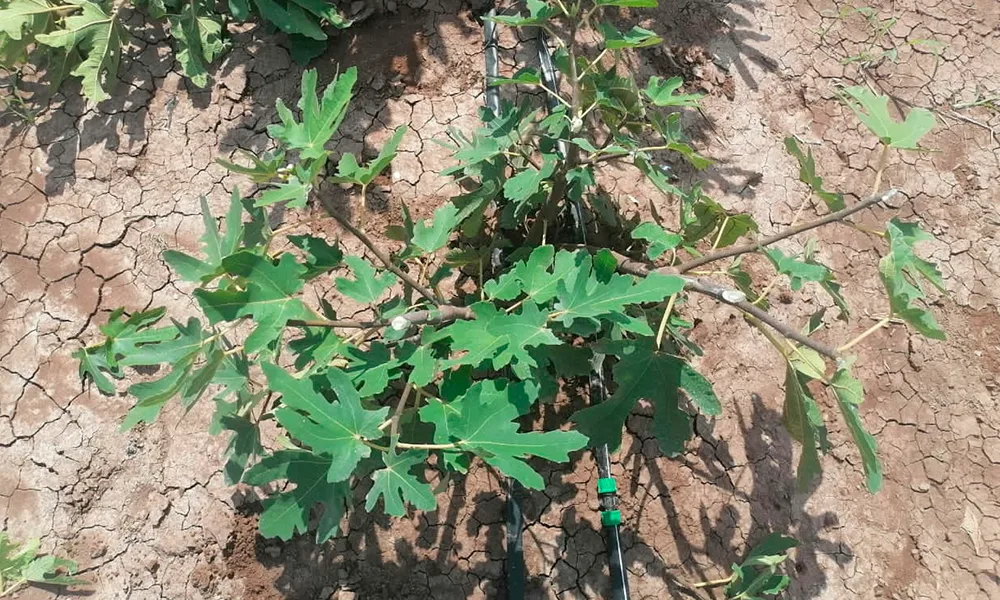
4.- End of cycle pruning, 12/13/2021
Once the desired height and structure of the main trunk were reached, end of cycle pruning was carried out, beginning with irrigation applications of NPKelp + Copperkelp as a complement for root protection and sealing of mechanical wounds.
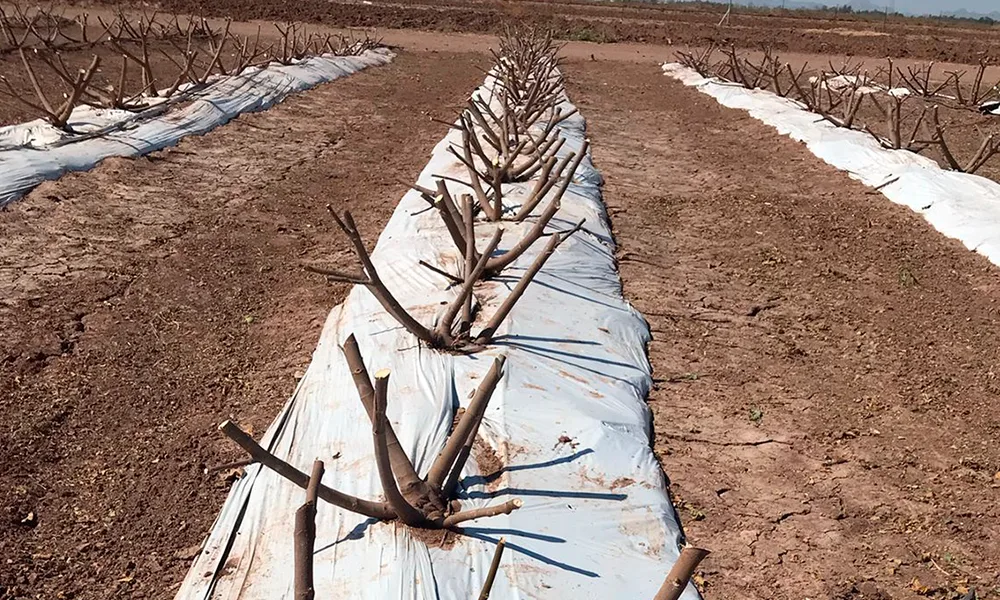
5.- Vegetative development, 01/10/2022
Continued fertilization of our crop with applications of NPKelp + Copperkelp + ZnKelp, providing ongoing support for biostimulation and nutrient absorption during the plant's growth, supplying copper via irrigation and foliar application for better disease control and protection.
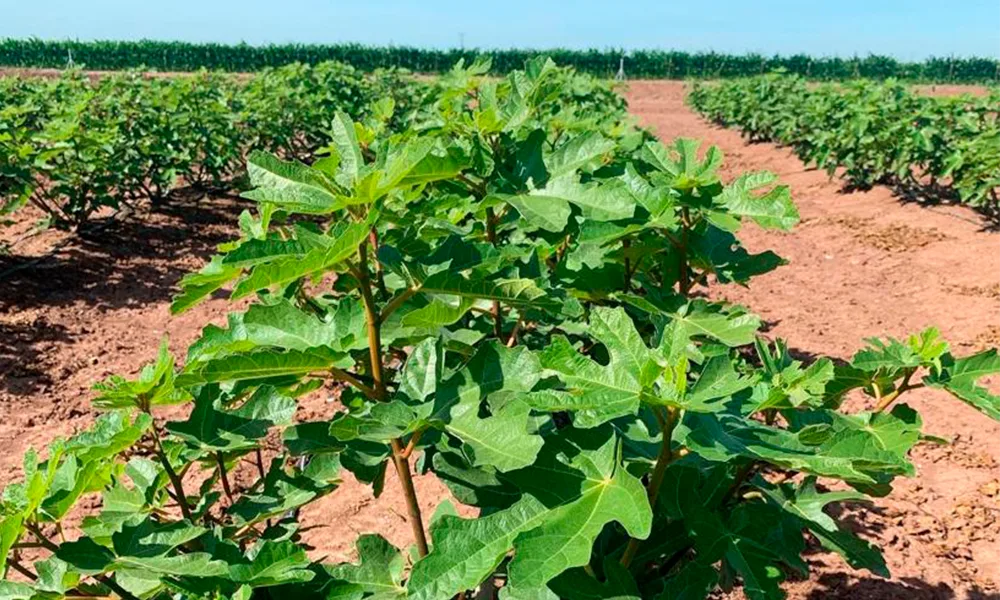
6.- Onset of bud break, 01/24/2022
Maintenance applications of NPKelp + Kelproot + Copperkelp and ZnKelp for nutrient absorption, supporting the production of vegetative buds and initiating plant activation to develop the first reproductive shoots.
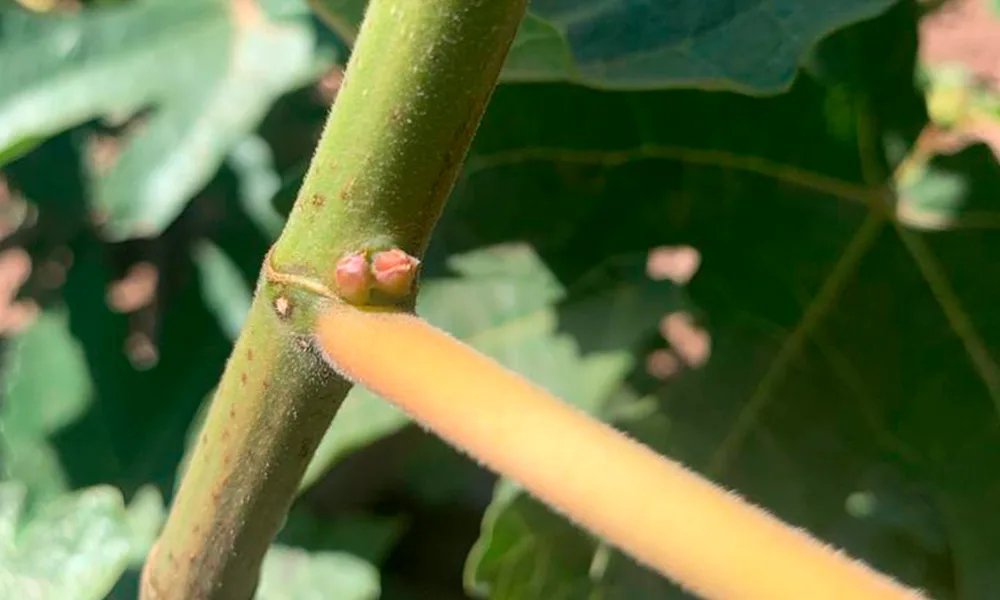
7.- Reproductive bud break, 02/02/2022
Stimulating the reproductive stage of our plant, we continued ZnKelp applications as part of the nutritional program to promote better fruit development with firmness and quality.
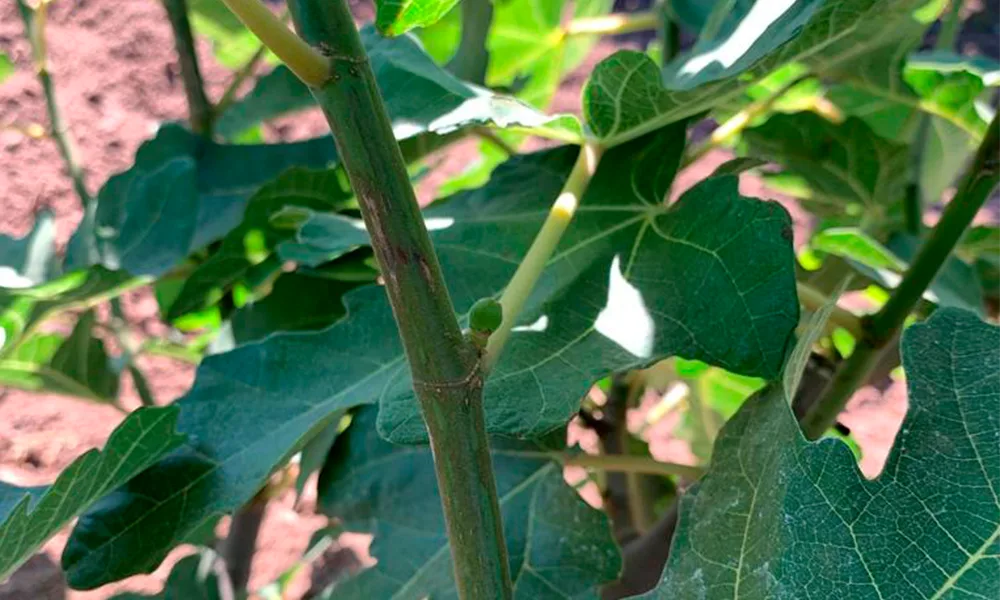
8.- Fruit development, 02/25/2022
Fruit growth, nutrition for future filling, and protection against foliar fungi with NPKelp, Larusoil, Copperkelp.