Almost a year after the approval and cooperation of the Center for Nanoscience and Nanotechnology (UNAM), CONACYT, and the launch of development of the new project together with INAPESCA, today we are ready to introduce the newest member of the Algas Pacific family, Copperkelp, a project in which science and technology came together to generate an innovative organic solution for agricultural crops.
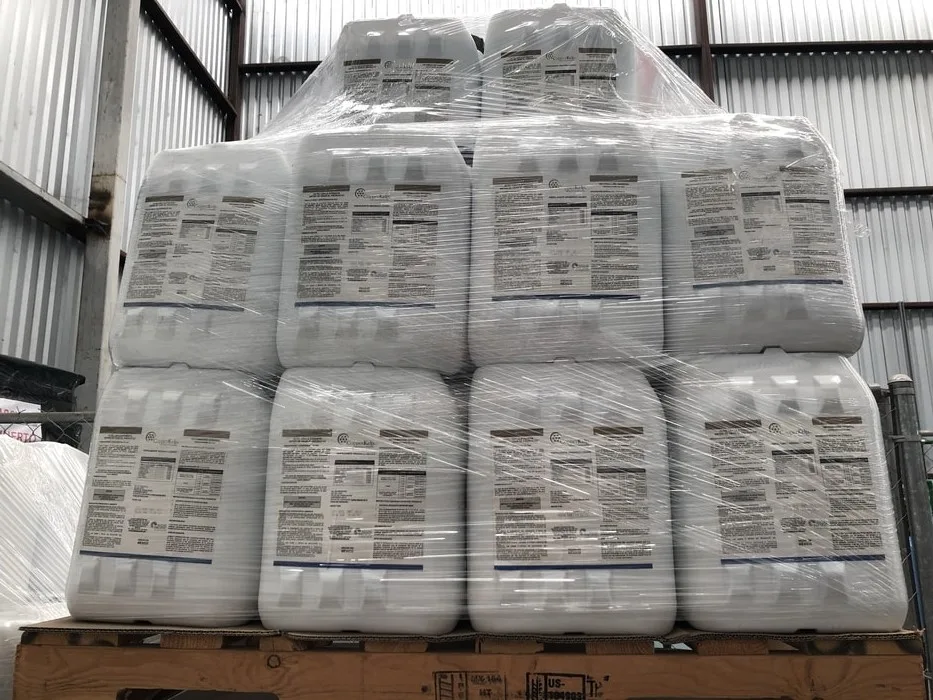
Copperkelp is a specialized marine algae extract developed using green chemistry and nanotechnology. Its main characteristic is its high content of reducing sugars derived from the algae, which stabilize copper mineral salts, encapsulating it in nanomolecules that pass through plant cell membranes.
The advantages of our new product are:
- The high distribution of the nanoparticles provides a larger area of protection.
- There is greater control over the release of Cu2+ ions.
- The algae's components allow for better adhesion, stability, and absorption of the product thanks to carriers and the generation of bioavailable molecules.
- Only the right amount is used for the nutrition of crops and beneficial microorganisms.
- Less copper is used, reducing possible soil contamination and reaction with other products in the crop program.
 The use of NPKelp®, Kelproot® and CopperKelp® products, applied comprehensively in tomato cultivation, where several trials were carried out, proved to be a good alternative for improving the nutrition, strengthening, and development of treated plants, which was also reflected in earlier flower formation and fruit set.
The size, coloration, and rooting of the treated plants showed the synergy of Algas Pacific® products with the other commonly used inputs applied by growers, which is reflected in a better quality of the crops.
The copper concentration in treated plants increased significantly in most of the areas analyzed, without bringing the plant to a phytotoxic or stressed state that would represent death or damage to the crop. Copper levels throughout the plant remained at uniform concentrations of between 7 - 26 ppm, especially in the parts where it is essential for proper plant function, such as the leaves. This uniformity is due to the permeability provided by the properties of the nanoparticles and the components of the marine algae extract.
The increase in copper concentration in the crop did not show any significant inhibition of or competition with other mineral ions that would affect plant development.