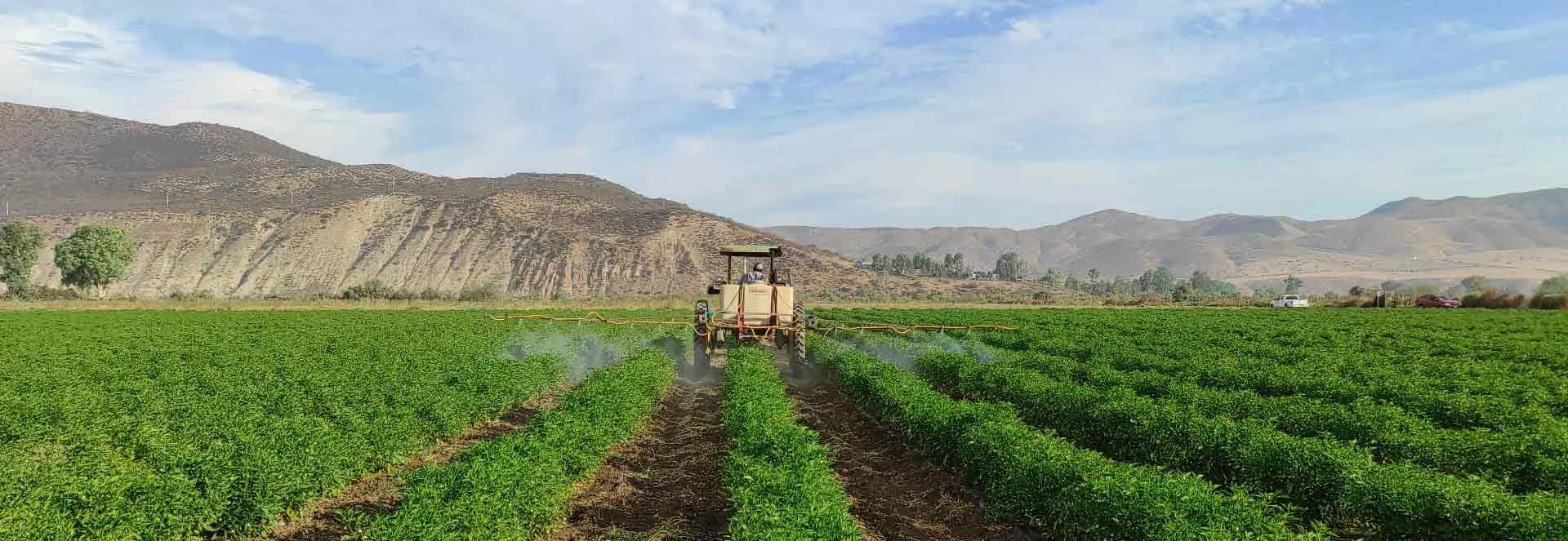
In Mexico, Algas Pacific has been a pioneer in developing agricultural solutions made from marine algae.
By Ana Isabel Rodriguez
In recent years, the production of agricultural inputs for crop protection has been transformed by several trends, most notably crop association and rotation, along with environmental regulations and growing demand for safer food. In addition, population growth, the shrinking of arable land, and the need to boost agricultural productivity and ensure food security also pose a challenge for the crop protection industry worldwide. According to the market research firm Mordor Intelligence, the value of the global fungicide market alone is estimated at 22 billion dollars. In this segment, the resistance of certain fungi to existing inputs and the emergence of new plant diseases have driven companies to develop novel products to combat mutations and reduce losses for growers.
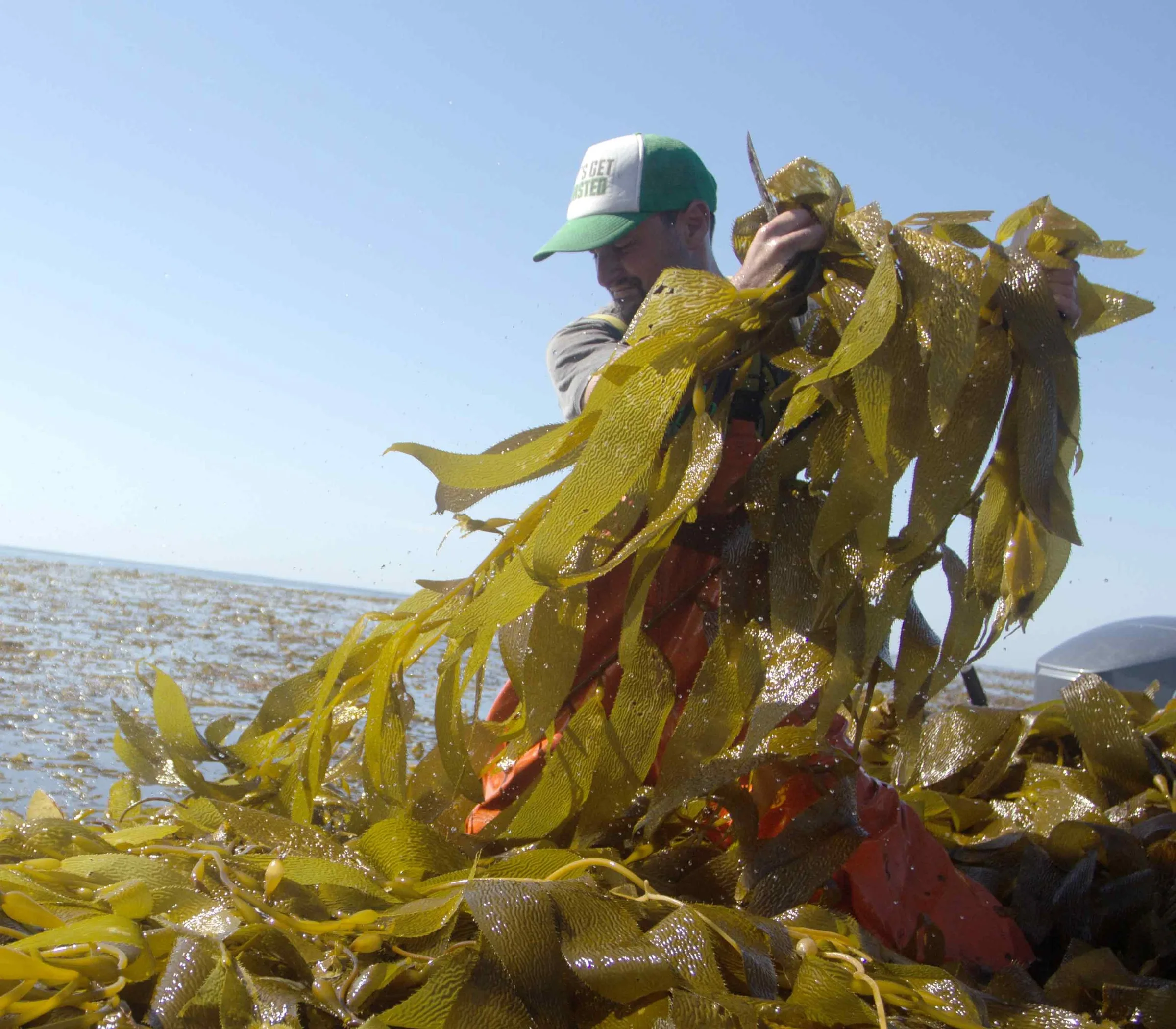
In Mexico, the company Algas Pacific has been a pioneer in developing agricultural solutions made from marine algae, specifically Macrocystis pyrifera and Gelidium robustum. Twelve years ago, when little was said about seaweed-based biostimulants, Algas Pacific committed to developing differentiated products for specific agricultural problems, notes Myrna Lora, Marketing and Communications Manager.
“We have been at the forefront of creating high-quality agricultural solutions; we are competitive against any company in the international market because we guarantee growers the results they are looking for,” she states in an interview for Agro Orgánico.
For his part, Algas Pacific's General Director and founding partner, David Lora, highlights being a reliable technology provider for the specific needs of crops, based on a sound cost-benefit ratio, as one of the company's main differentiators.
This assurance of quality is backed by the effectiveness of the products and, literally, by an international civil liability policy that covers damages related to the use of the company's products; in August of this year, Algas Pacific celebrated its 12th anniversary without a single controversy.
The AP Method
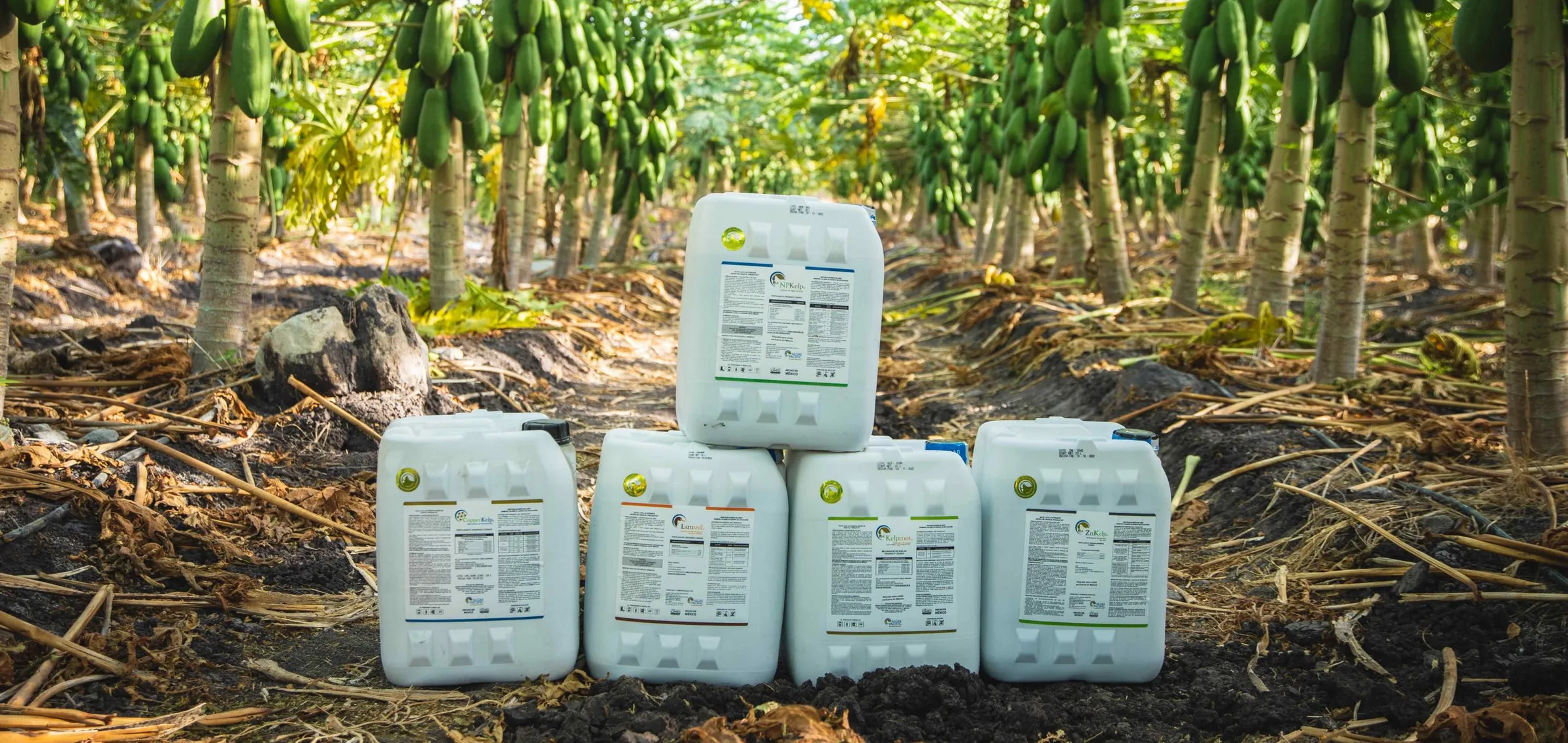
Algas Pacific's strategy is built around the AP Method, a system that consists of extracting the components of marine algae through a unique process that preserves the bioavailable qualities of the compounds for application to specific requirements. The AP Method is another of the company's differentiators, as it has been developed based on more than a decade of experience to offer products that provide comprehensive solutions across the entire value chain, from harvesting the algae to applying biostimulants and nutrients in the field. This model gave rise to the biostimulants Kelproot and NPKelp, as well as the nutrients ZnKelp, CopperKelp, and Larusoil, the latter made from seabird guano. To develop CopperKelp and ZnKelp, Algas Pacific separately evaluated the performance of copper, zinc, and marine algae, then combined their properties into a stable molecule that enhances results in the field, explains Algas Pacific's Research and Development Manager, Erick Guerrero.
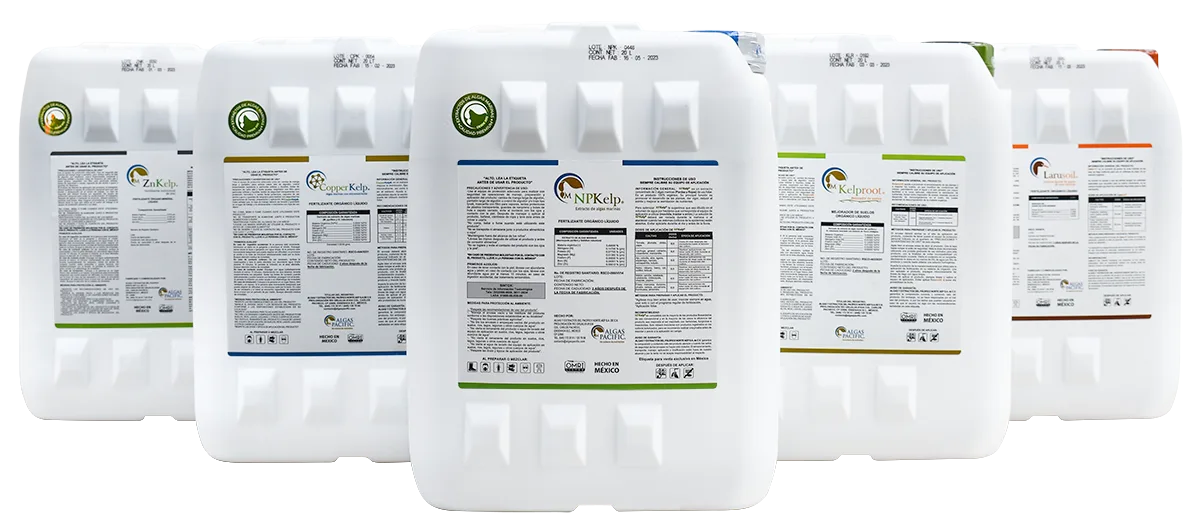
With the use of CopperKelp, the company managed to reduce copper content by up to 50% compared with a conventional input. This is extremely important because, although copper is a potent fungicide and bactericide (generally applied via foliar spray), it has the negative effect of eliminating both pathogens and soil microbiology. The same happens when it is applied directly to plant leaves, explains oceanologist David Lora: copper “does” its job as a fungicide, but at the same time it stresses the plant, preventing it from carrying out vital functions for its development.
To avoid this effect, Algas Pacific created CopperKelp, which contains the appropriate copper concentrations to act preventively, since upon contact with plants it has an elicitor effect, meaning it activates defense mechanisms so that, in the presence of a disease or pathogen, the plant minimizes the disease's impact and channels its energy into continuing its development and achieving the expected yields and quality fruit.
In short-cycle crops, such as vegetables, time is critical, notes David Lora: “if you let the plant stress for a week, it needs another week to recover, so it stops producing for 15 days because it concentrated its energy on overcoming the disease process. That's why applying preventive solutions is so important.” Although this product was developed with organic production in mind, bioengineer Erick Guerrero notes that the international trend toward reducing agrochemical applications has increased the use of solutions such as CopperKelp and ZnKelp in conventional crops.
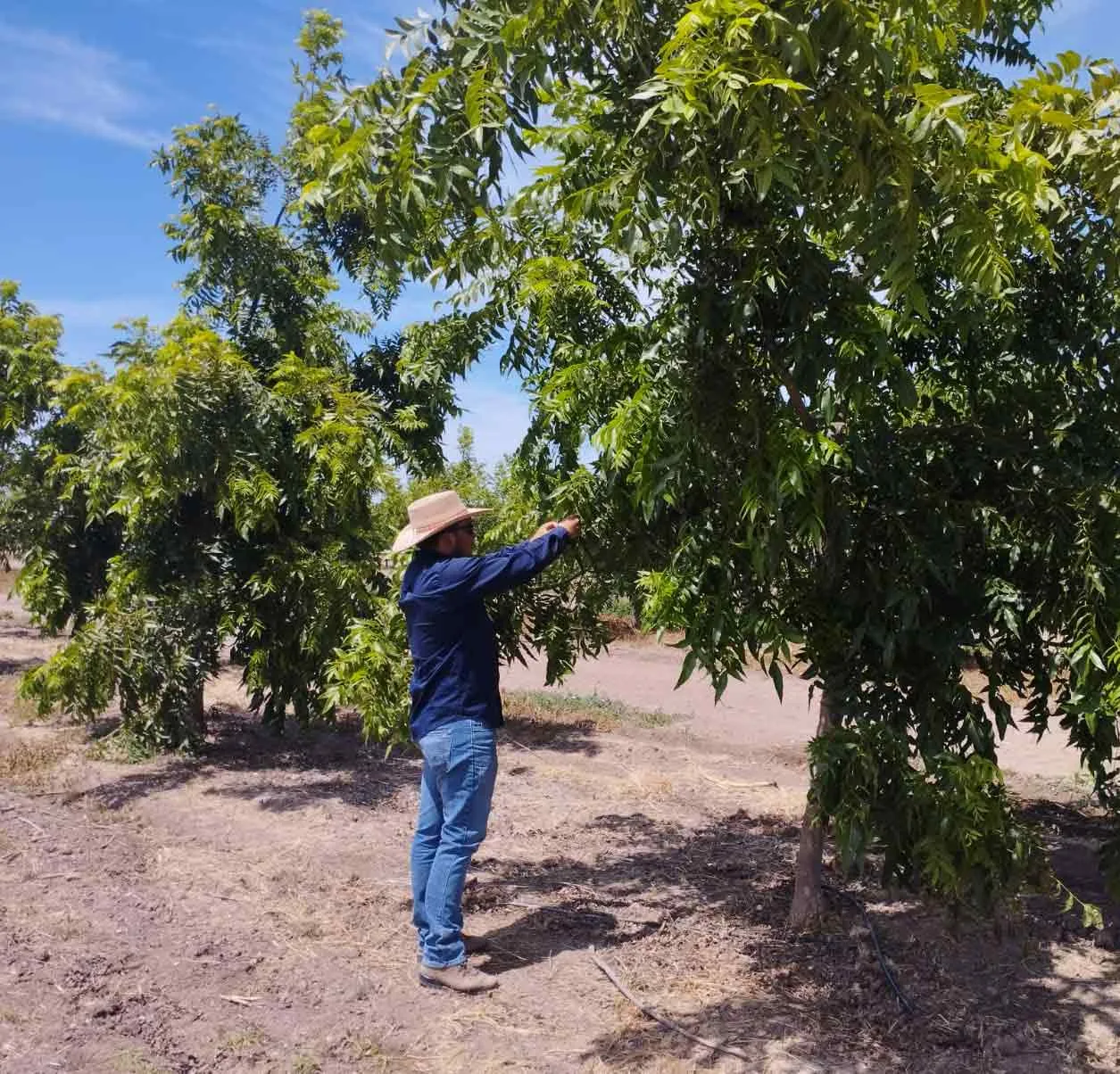
With ZnKelp, the goal was to achieve better zinc absorption in soils. This represents a challenge in degraded soils that lack the right conditions for absorption to occur naturally. However, this product allows marine algae to “sequester” zinc so that the plant can assimilate it and feed itself more effectively.
“We always aim for our products to stand out from what's available on the market, because it's not just about mixing elements. We use nanotechnology to develop solutions that are easily assimilable and reach from the soil to the tip of every leaf,” emphasizes David Lora.
ZnKelp launched on the market in 2020 as a result of trials conducted in pecan orchards. The benefits of this product have since extended to other crops because, in addition to its effect on nutrition, applying it through irrigation or foliar spray reduces operating costs, since conventional zinc application generally requires specialized machinery.
As for results, Erick Guerrero notes that they vary depending on the crop, although they are invariably cumulative. In vegetables the process is faster, while in fruit trees it can take between two and four years. Likewise, in extensive crops such as corn, just two applications of ZnKelp increased yields by up to one and a half tons per hectare.
In this context, Algas Pacific's Research and Development Manager states that continuous improvement of the company's products is a constant, because in agriculture “nothing is static”: there are always changes in climate, market prices, or grower practices. “I can't go to a blueberry grower and tell him my products will give him 40% higher yields, because what he probably needs is for his fruit to have a longer shelf life and maintain proper conditions from harvest until it reaches the supermarket.
And if I tell a corn grower that I'm going to help his grain stay in good condition in storage for three years, he won't be interested, because what concerns him is maintaining and increasing his yields. That's why, before making any business proposal, we always start from our clients' needs. Behind every Algas Pacific label there are people continually thinking about how to offer growers more benefits.”
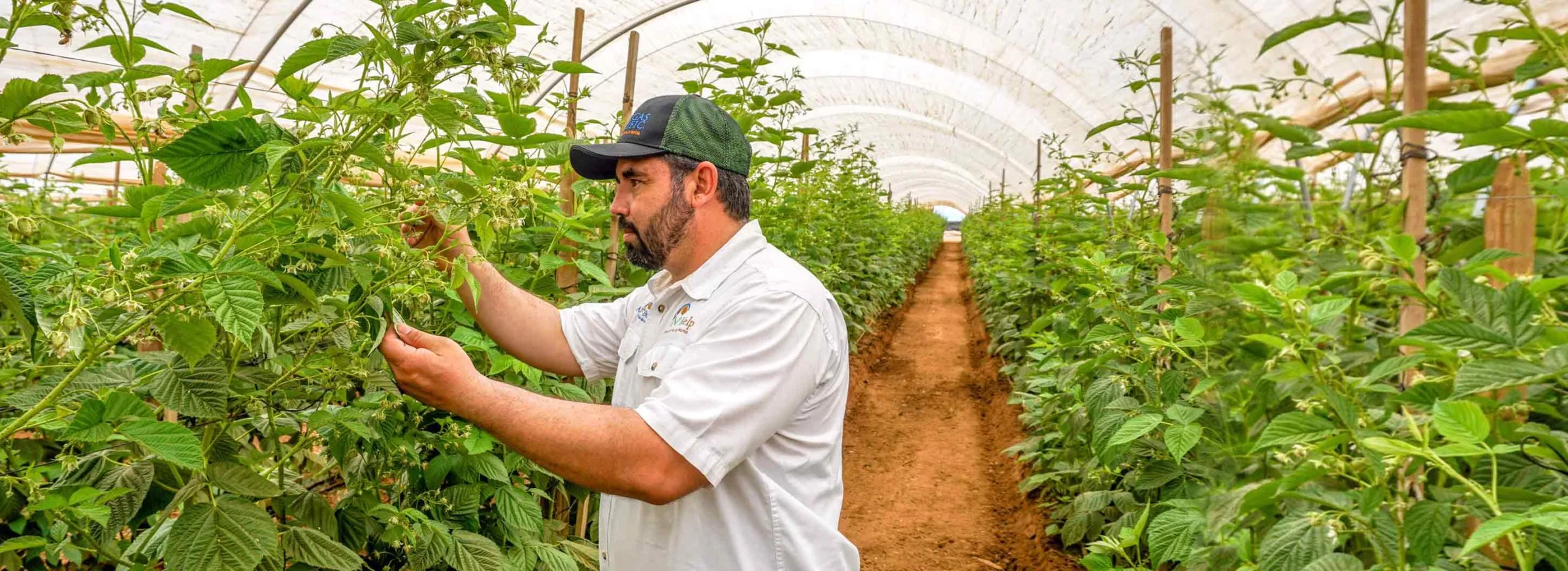
As for CopperKelp, the first applications were carried out on diseased crops, which made it possible to identify its fungistatic or bacteriostatic action depending on the origin of the disease, whether fungal or bacterial, which stops the
damage and gives the plant the energy it needs to keep producing, explains oceanologist David Lora.
This positive effect was confirmed as early as the 2017 field trials (a year before CopperKelp was launched on the market) in crops affected by bacterial tomato canker. This disease is one of the most devastating for tomatoes in Mexico and around the world, since in less than two weeks it can cause losses of up to 80% of production.
It is important to note that CopperKelp does not eliminate the disease “all at once,” but it does stop it. So even though the plant may show physical damage, it keeps producing, and although there is some loss, it is reduced to an average of 15%. A similar experience occurred with raspberry crops, which are highly susceptible to rust. The problem with this fruit is that once harvested, no corrective applications can be made, especially since it is an export crop.
Raspberry rust strikes at the end of the harvest, and often, as an emergency measure, growers apply agrochemicals; this puts an entire production run at risk if residue is detected in final testing. When CopperKelp was applied to raspberries affected by rust, the disease stopped and the grower was able to keep harvesting without needing an emergency application that could contaminate the fruit.
Solutions for New Challenges
Based on his experience, oceanologist David Lora believes that one of the main challenges for agriculture lies in “thinking outside the box” to stop doing the same thing while expecting different results. Agriculture, he states, “needs to innovate to become more efficient in every sense, both operationally and administratively, which means investing in quality solutions.
That's why buying ‘cheap' inputs doesn't necessarily mean more effectiveness.” In this sense, Algas Pacific competes in the international market at prices similar to those of large multinational companies, with the difference that it guarantees return on investment across different scenarios, along with greater profitability and sustainability, both environmental and economic.
Another challenge is learning to coexist with “natural enemies,” by getting ahead with preventive solutions. On this point, bioengineer Erick Guerrero recalls that when CopperKelp was introduced to the European and South American markets, growers were very interested in the product's impact on native soil microbiology.
This concern was compounded by resistance in certain pathogens and the buildup of substances in soils, which explains why more and more countries have oriented their agricultural input regulations toward reducing certain elements, such as copper, since its accumulation in soils has been on the rise.
“An excess of any element in the soil changes its structure, causing damage to the roots. That's why we focus on applying only the amounts needed; for example, one kilogram of copper per hectare is enough to combat a pathogen, but some companies ‘suggest' increasing application volumes just to sell more. So what happens? The soil takes the amount it needs and the rest accumulates in the soil, creating resistance”
Another area where the company has focused its efforts is specialized nutrition, because growers often don't know which element their crop needs at a specific moment. So when a multi-mineral product is applied, the plant gets ‘confused' and doesn't know which one to take up. “Well-targeted nutrition is key to proper biostimulation. The same relationship applies to people: if you have an illness and don't eat properly, you won't get better even if you take your medication. That's why, whenever it develops a product, Algas Pacific runs trials in different crops, regions, and conditions to assess effectiveness and profitability based on nutritional needs.” Given their commercial importance, some of the crops with the highest demand for the company's products are berries, pecans, peppers, citrus, grains, and fruit trees such as banana and papaya.
Investing in Results
When a grower chooses Algas Pacific solutions, they are investing in their brand because it improves the quality and yields of their production, which in turn strengthens their business, notes Myrna Lora. On this point, David Lora states that while investments carry some level of risk, Algas Pacific solutions do not put a grower's resources at risk. “We are committed to delivering results. We guarantee the best results, because otherwise we would be out of business.” Twelve years ago, Algas Pacific started with an annual production of 40,000 liters of its solutions. By 2024, the goal is to produce 1,300,000 liters, no small feat for a company made up of 48 employees. Thanks to the effectiveness of its products, Algas Pacific is the only Mexican seaweed-based agricultural input company to have reached markets such as the United States, Spain, and Chile; and in the short term, its solutions will reach growers in France, the Netherlands, Ecuador, and Costa Rica.