Expressing the plant's genetic potential is the key factor for the yield and quality of these crops.
Mexico is one of the most important countries in global berry production. As high-impact crops for our economy, more than 34,000 hectares are dedicated to their cultivation, resulting in great success and growing strength as an exporter.
It is estimated that 10% of global consumption comes from Mexican territory, generating more than two billion dollars per year.
The current berry market has become more demanding regarding the type of production and fruit quality, with end consumers now selecting more natural, sustainable, and environmentally friendly options, making a rational purchase that depends on the origin and handling given throughout the entire process. One of the main factors affecting the yield and quality of these crops is related to the expression of their genetic potential, which is influenced by the proper contribution of essential elements through more efficient nutrition.
 The application of biostimulants in these crops creates a connection between what the end consumer demands and what the grower requires: high-quality fruit using efficient, naturally sourced inputs, where the nutrients applied are tailored to the phenological stage to determine the appropriate dose and application method. For more than 10 years, at Algas Pacific we have created and developed the #APMethod, which, hand in hand with the grower, has allowed us to maximize the benefits our solution lines offer; resulting in specialized programs tailored to the needs of each crop and grower.
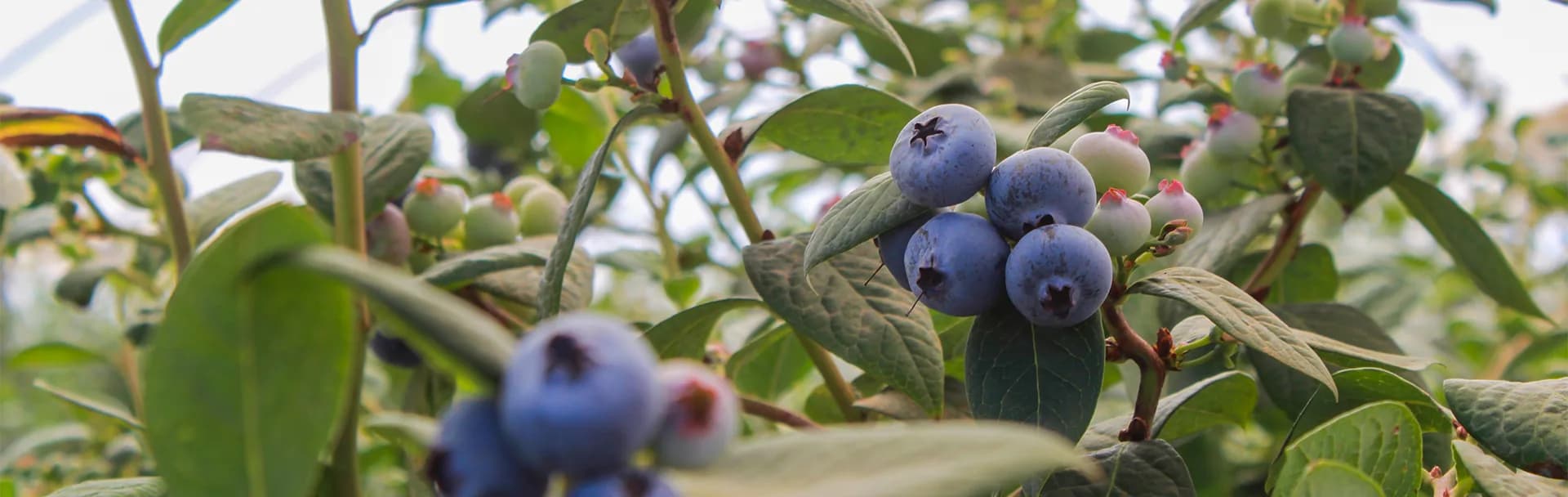
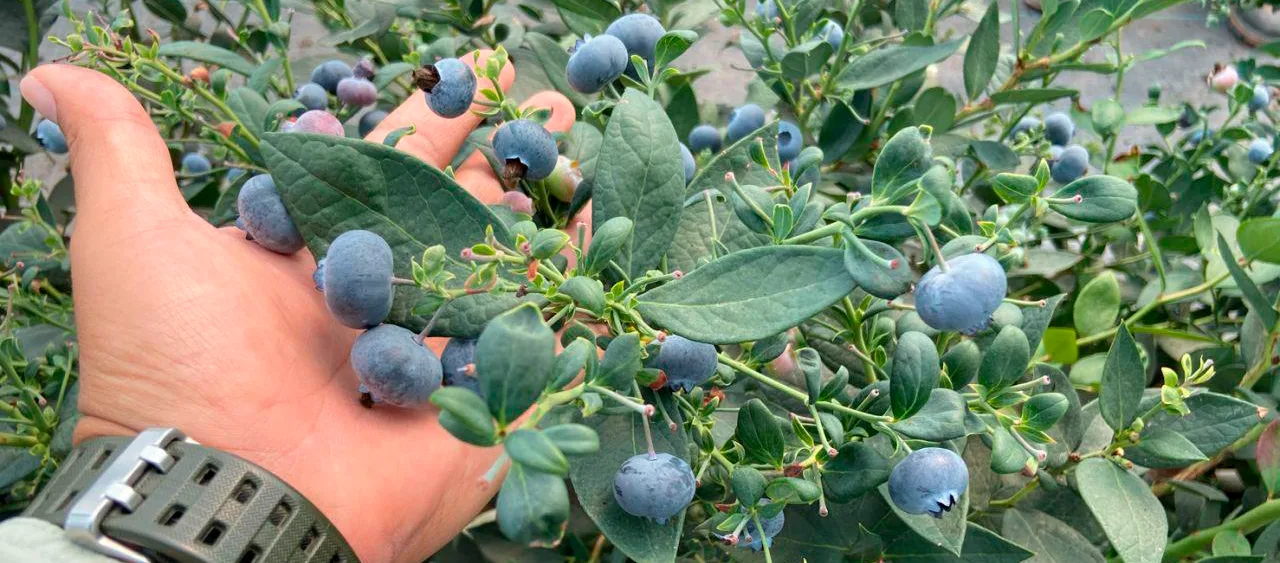 Blueberries and raspberries are two examples of high-demand berries that require specialized management to achieve good yields. The largest blueberry production in Mexico takes place in Jalisco, Michoacán, and Sinaloa, and is mostly exported to the United States market. The key stages for blueberries are: Establishment, vegetative development, and flowering.
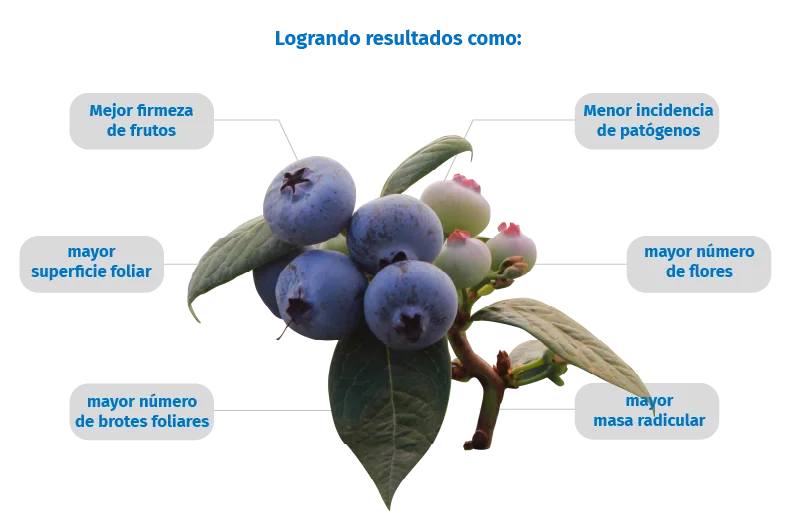
Growing regions: Jalisco, Michoacán, and Sinaloa
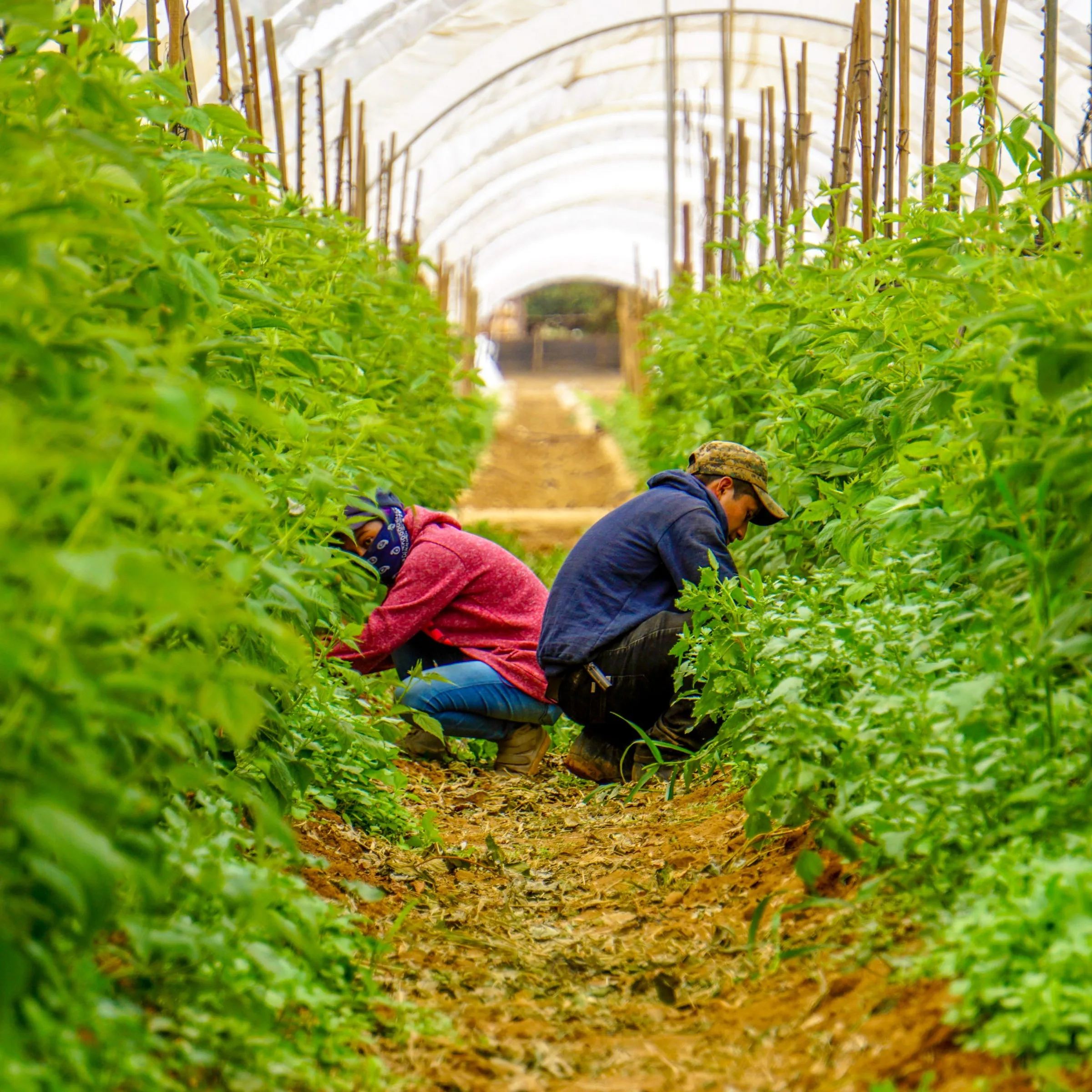
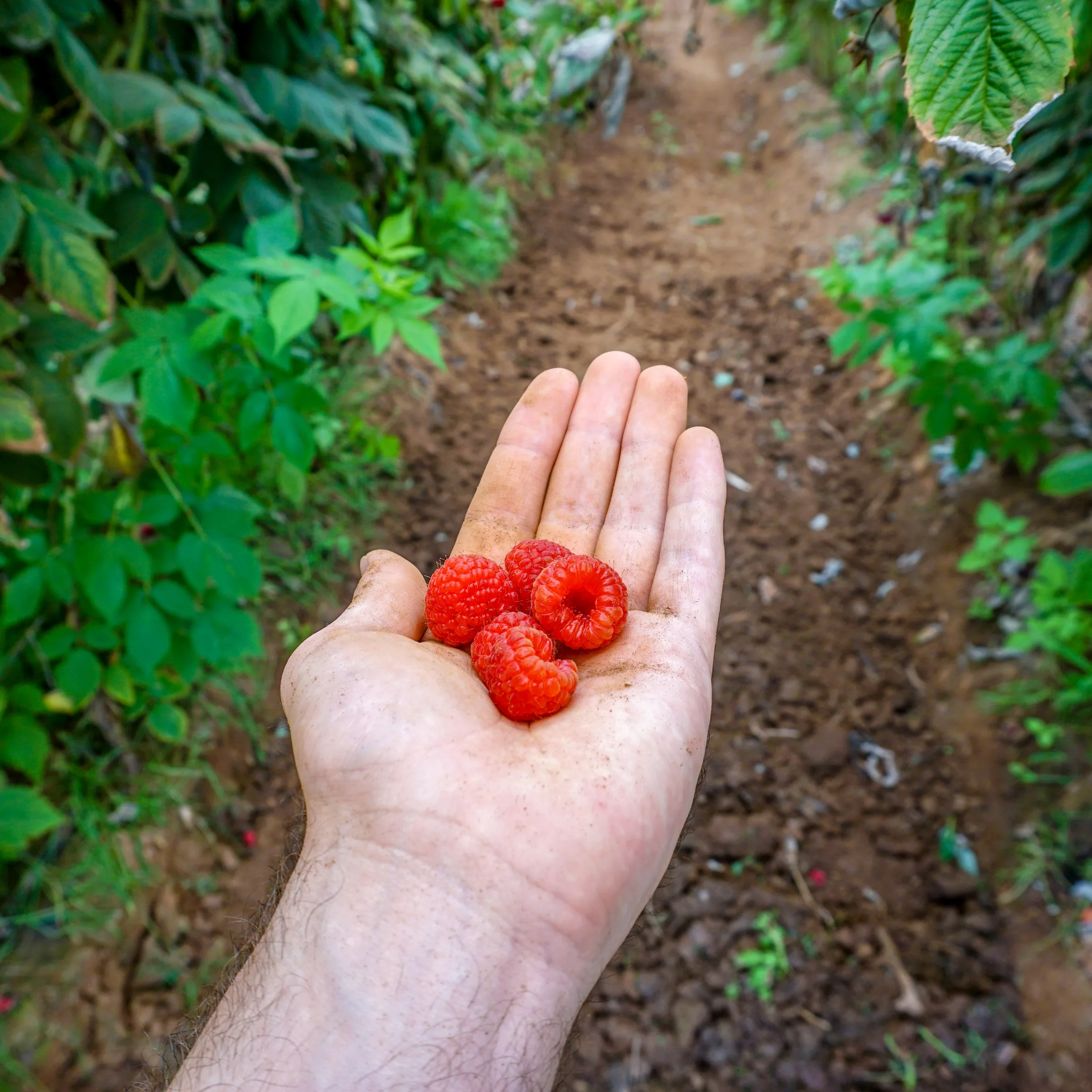
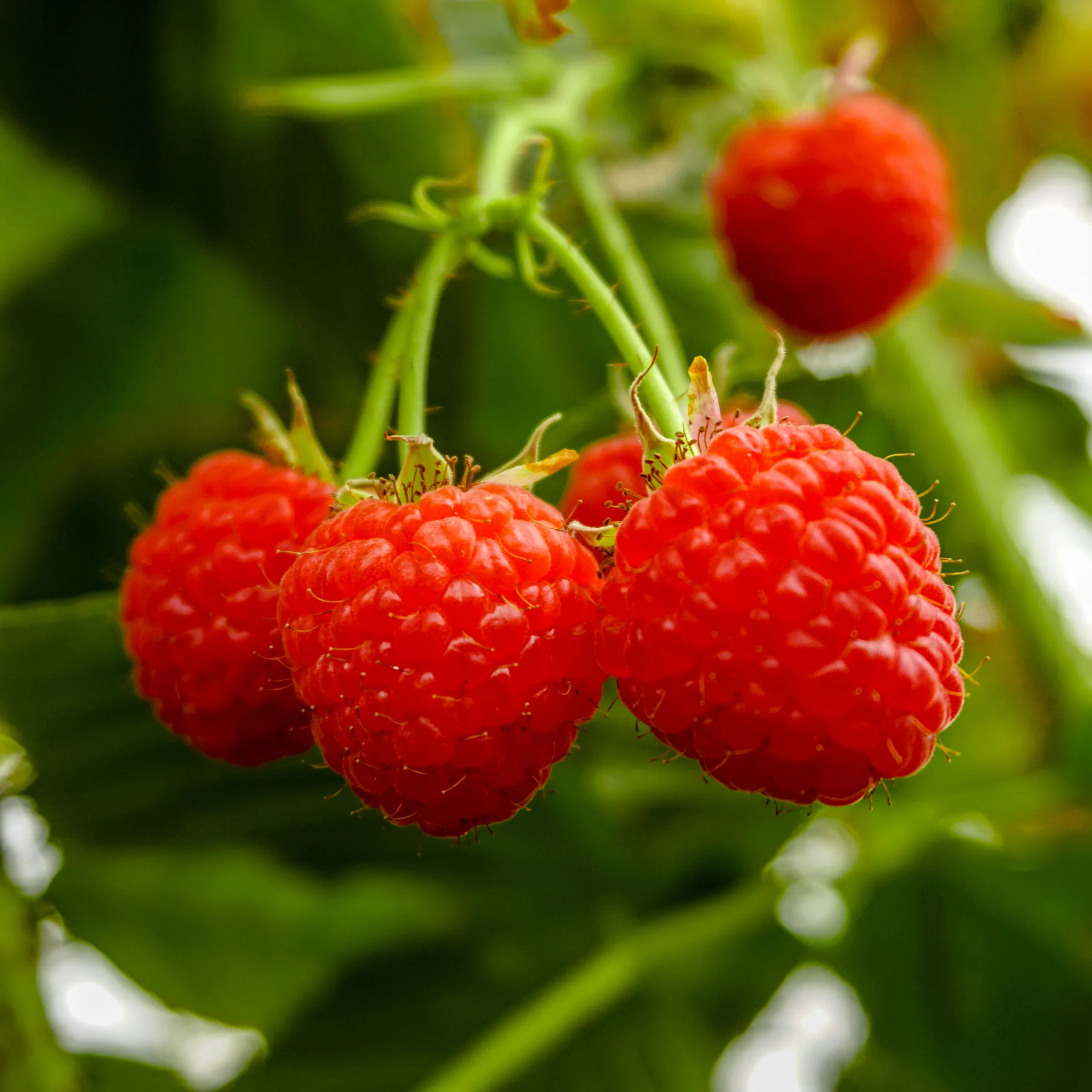
Of all the berries, raspberries have shown the greatest growth in the market, increasing demand to the point of reaching a presence in more than 33 countries. As a result of this growth, production in Mexico has become more extensive, with Jalisco, Baja California, and Michoacán being the most relevant states for this crop. Proper care at every stage is essential for good raspberry development, in order to achieve better results in the final product. Although our products are applied at every stage, some of the most relevant are: Establishment, vegetative development, fruit set and filling, and pruning. 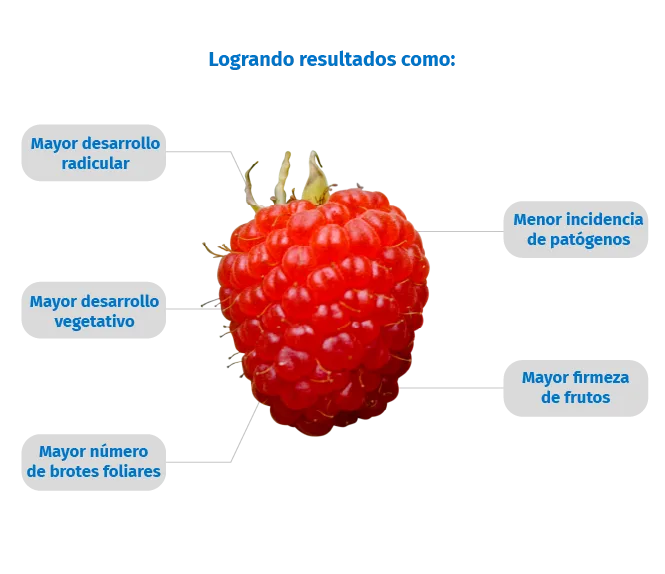
Growing regions: Baja California, Jalisco, and Michoacán.
With a customized application plan and guidance from our field experts, it is possible to maximize the results of each crop and meet the specific needs of each situation. The application of the AP Method in these crops has shown great benefits in the different areas where it has been used, achieving the quality sought by both growers and consumers thanks to enhanced absorption, storage, and metabolization of nutrients, as well as protection against biotic and abiotic factors, since these crops tend to be prone to diseases caused by numerous highly pathogenic fungi and bacteria. 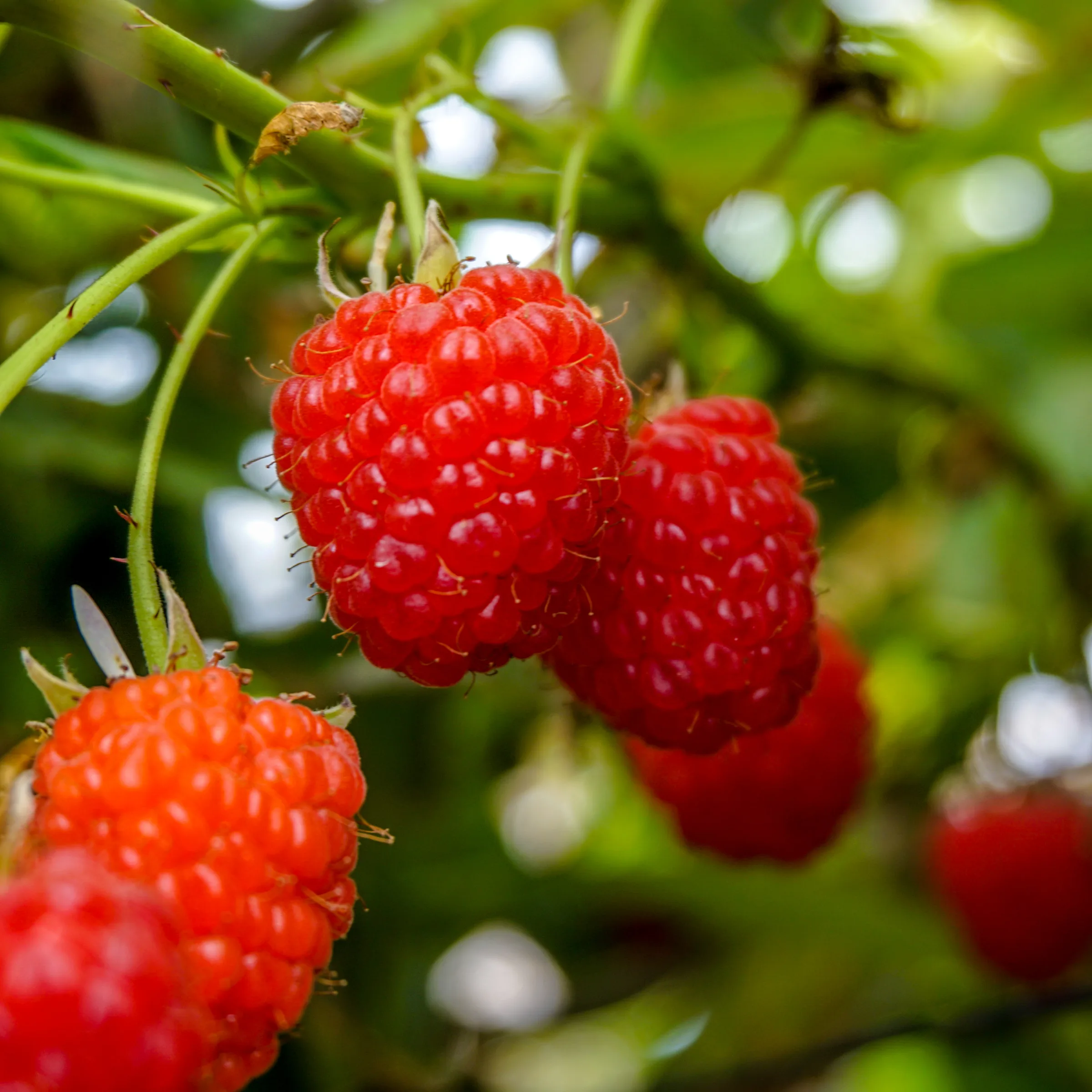
 Since 2016, Algas Pacific has been developing products with nutritional functions, achieving proper soil and foliar absorption of nitrogen, phosphorus, potassium, copper, and zinc in soil- or substrate-grown berry crops. With the support of timely laboratory analysis and the use of our highly assimilable nutrients, we complement N-P-K nutrition from plant establishment and startup with Larusoil® (seabird guano extract), while our zinc complex, ZnKelp®, enhances the contribution of this element and its effects on rooting, new shoot formation, and flowering. In addition, CopperKelp® (nanoparticulate micronutrient) has demonstrated activation of the plant's defense system against phytopathogens that cause diseases such as rust, powdery mildew, Alternaria, and charcoal rot, among others.