Algas Pacific, working to meet the needs of the future.
Corn in Mexico is not only a staple food; it is also considered a fundamental part of the country's culinary, cultural, and identity heritage.
More than 60 races of this grain have been identified in our country, 59 of which can be considered native.
This great diversity makes corn an economically important crop in the country, as it is the grain with the largest planted area, producing more than 25 million tons per year, with the largest share of production coming from the states of Sinaloa and Jalisco.
However, Mexico consumes corn at a faster rate than it produces it, becoming increasingly dependent on imports from the United States, which supply 40% of national consumption. Despite this, global conditions have limited access to the usual import supply, and on top of that, restrictions on introducing genetically modified corn into the country have further complicated the situation.
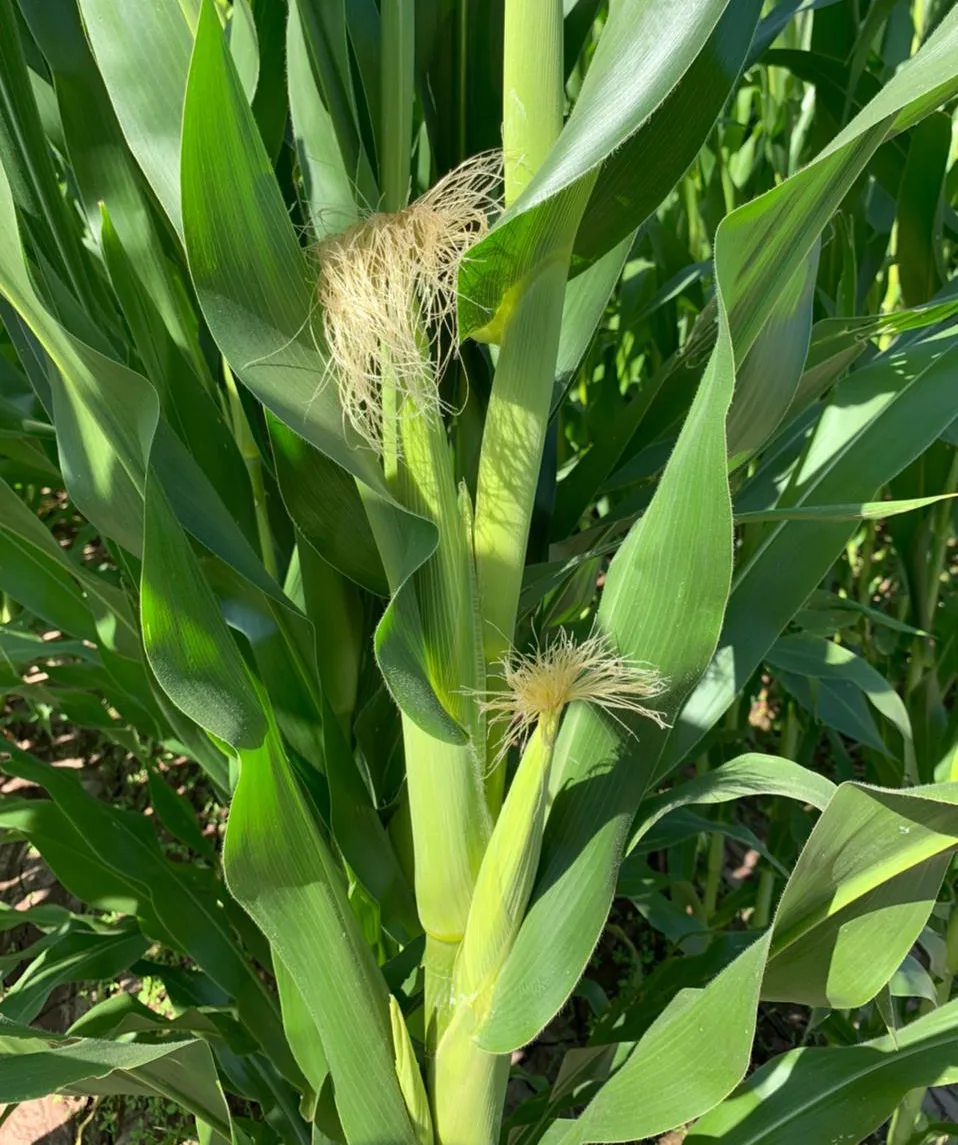
In addition to the above, during the first production cycle of 2023 this crop faced major challenges due to climate change, as well as fluctuations in production costs and market prices, negatively impacting growers' economics. For these reasons, and to make efficient use of the agricultural input budget, Algas Pacific has designed a biostimulation plan for use in synergy with fertilization and/or pesticide application, without risk of reactions in tank mixes.
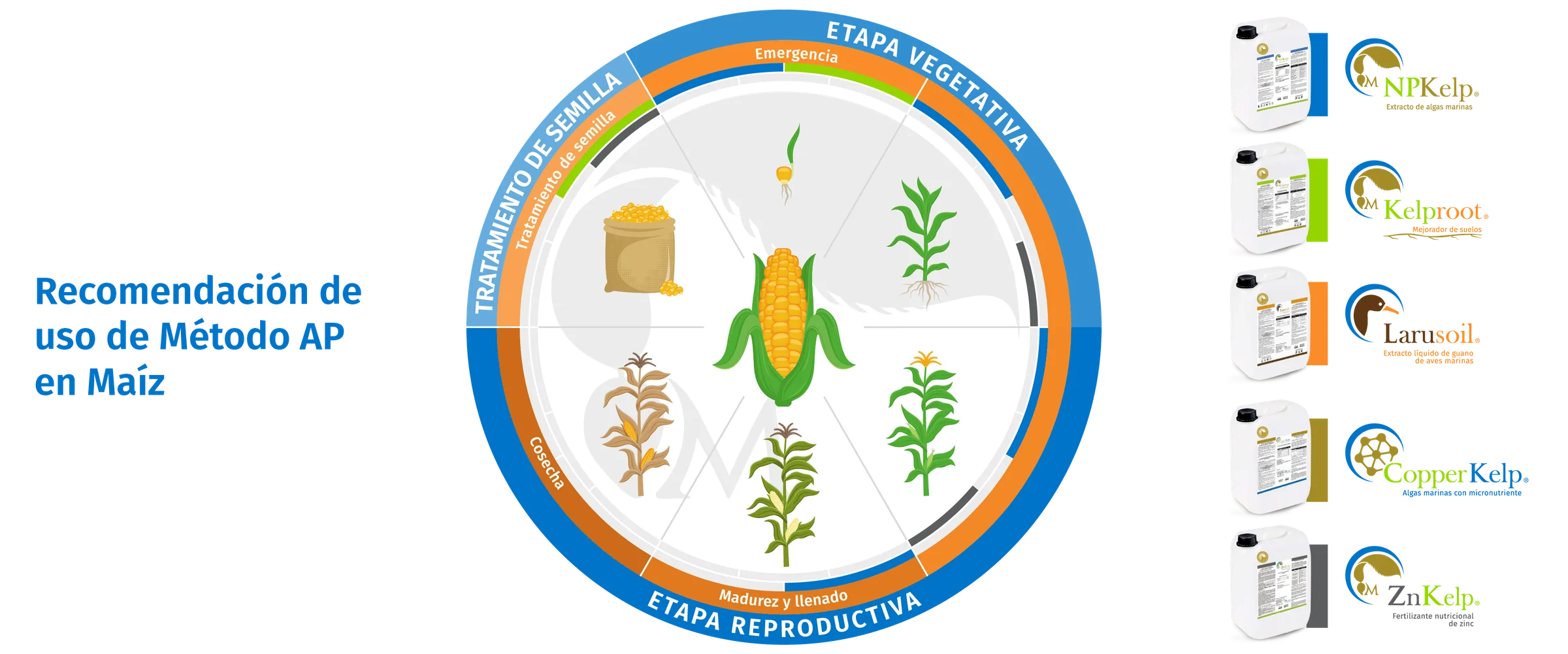
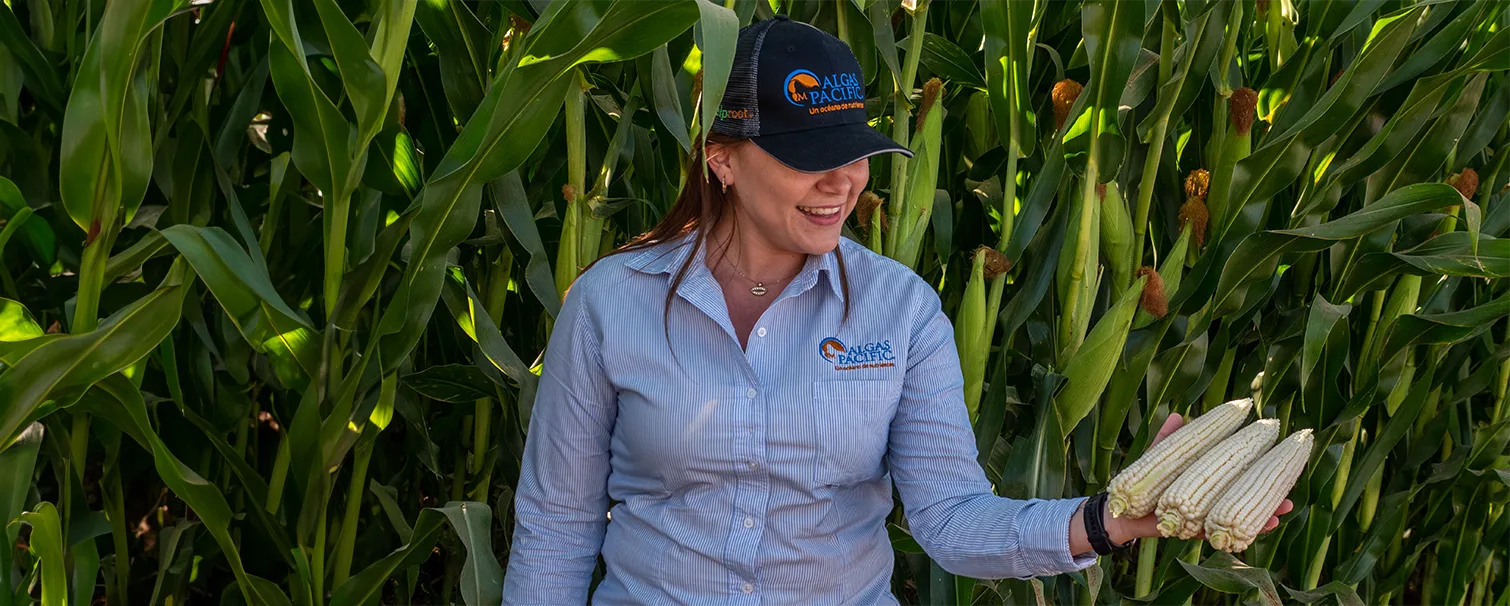
As a company committed to growers, we have implemented different approaches to nutrition and biostimulation management for corn crops in Mexico (AP Method). During the fall-winter cycle, we worked on customized programs that include applying our marine algae extract, NPKelp®, to counteract stress caused by drought or sudden temperature changes. Likewise, the use of ZnKelp® at crucial stages improves vegetative development and flowering to ensure a higher percentage of pollen viability and ear filling.
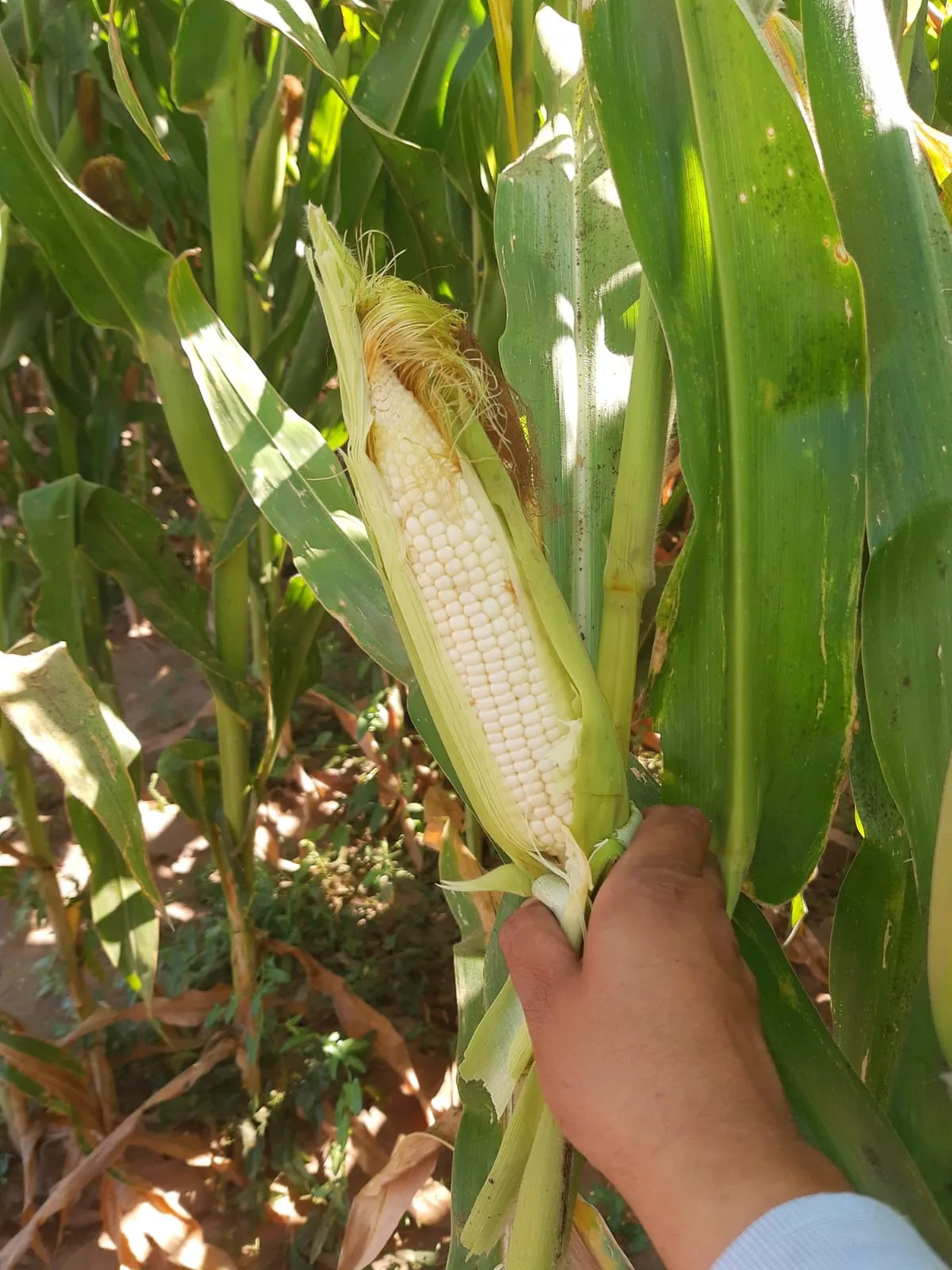
Control
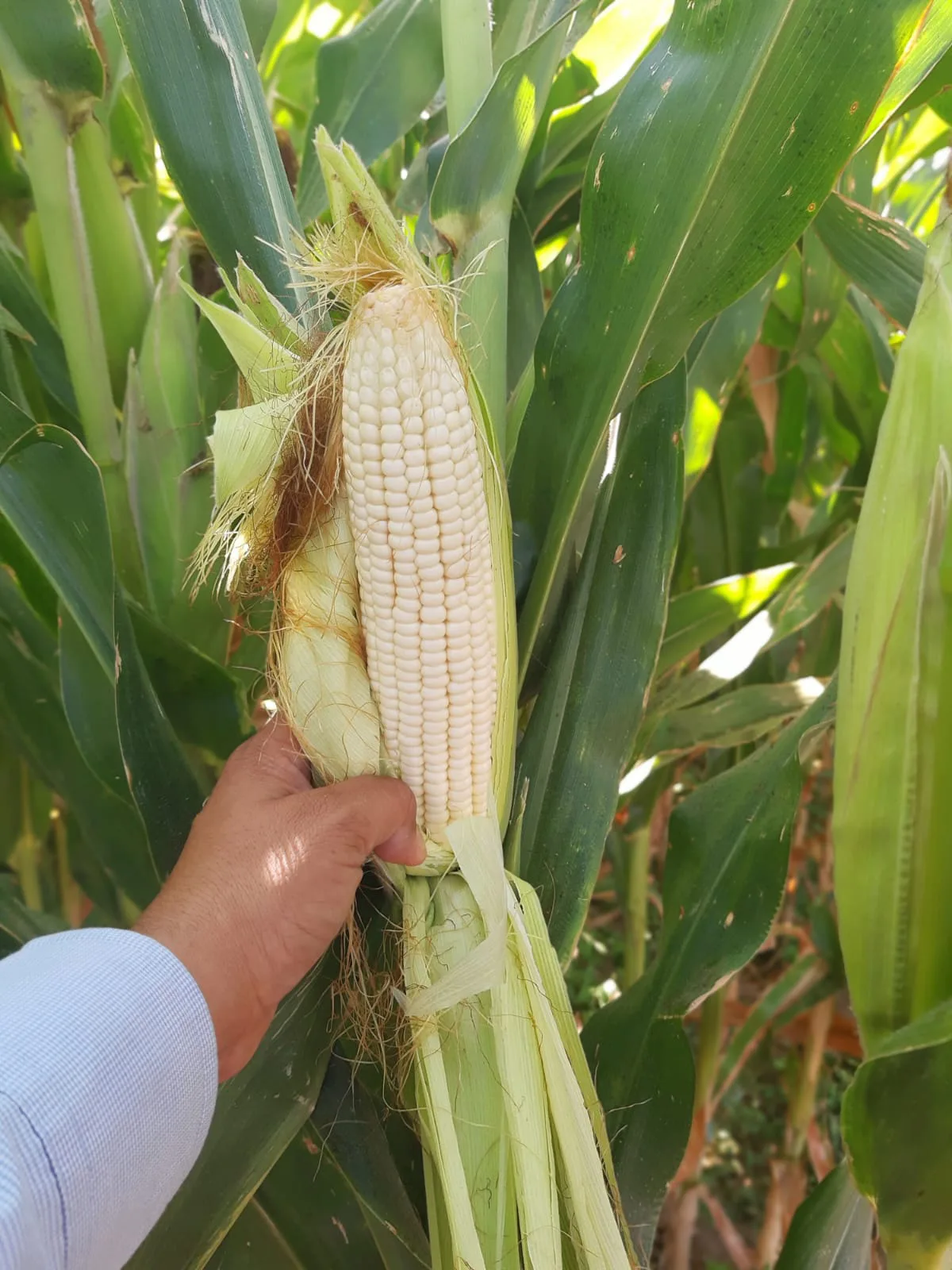
Treatment
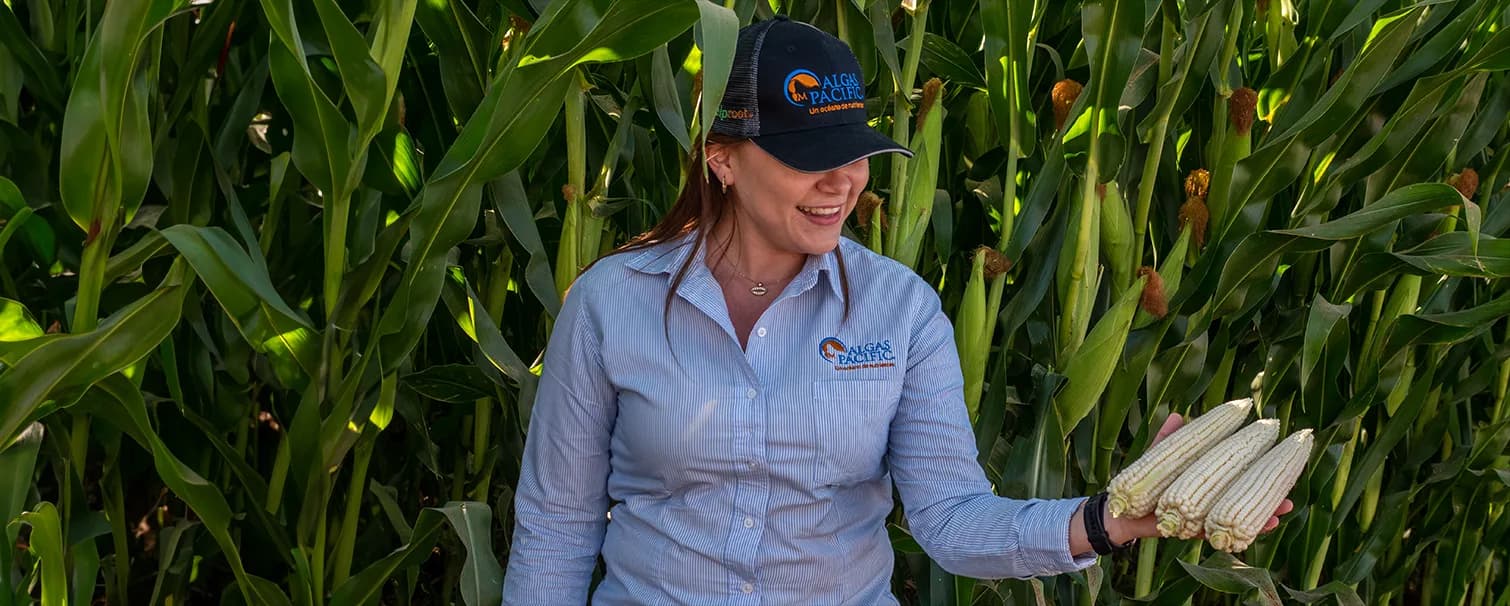
With the AP Method, we achieved consistent yields across different regions of the country, where, with the help of our field technical staff, harvests reached a maximum production of 11 to 14 tons/ha in crops using the GMF (Improved Fertilized Gravity) irrigation system. These yields were higher than those obtained in the “control” plots and exceeded expectations based on data reported by the Agri-Food and Fisheries Information Service (SIAP).
We know there is a major production challenge in the medium term (2030), so Algas Pacific® will continue working on specialized plans aligned with the needs of corn growers.